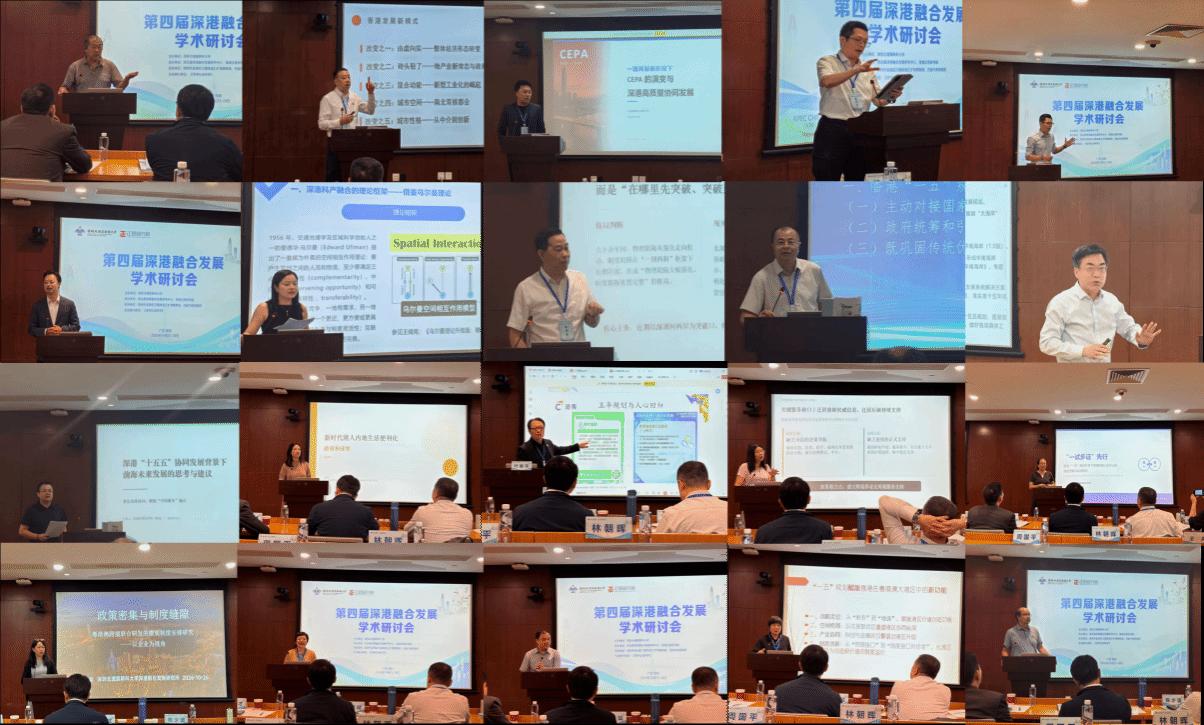
The Fourth Academic Symposium on Shenzhen–Hong Kong Integrated Development was successfully held at Shenzhen MSU-BIT University on October 25–26, 2026.
The symposium was hosted by Shenzhen MSU-BIT University and jointly organized by the university’s Shenzhen–Hong Kong Integrated Development Research Center—a distinctive new-type university think tank in Guangdong Province and a Shenzhen key research base for the humanities and social sciences—and the Hong Kong Zhengsi Research Institute.
Under the theme “Hong Kong’s First Five-Year Plan and Coordinated Development of the Guangdong–Hong Kong–Macao Greater Bay Area,” more than 50 experts and scholars from Beijing, Hong Kong, Guangzhou and Shenzhen gathered to offer advice on high-quality development of the South China coast and the Greater Bay Area, and on deeper Shenzhen–Hong Kong integration.
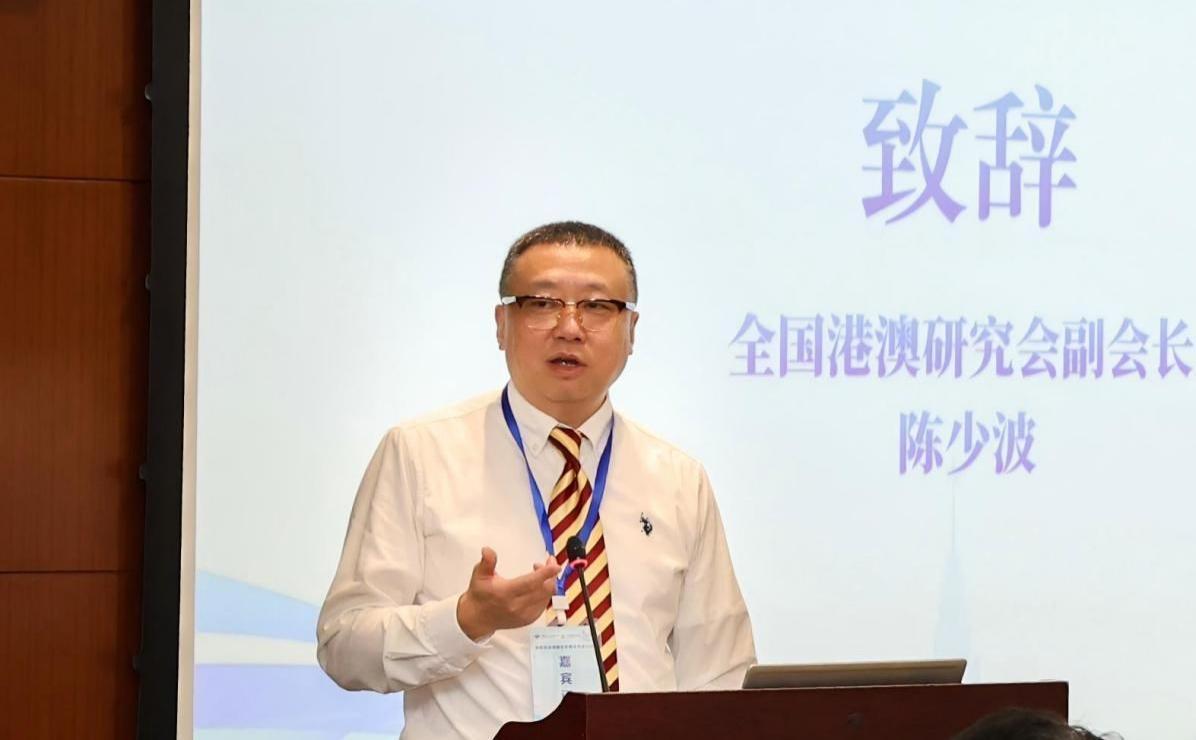
Opening addresses were delivered in turn by Wang Rujin, Secretary of the CPC Committee of Shenzhen MSU-BIT University; He Xinhong, President of the Shenzhen Academy of Social Sciences; Shi Xuezheng, Director of the Theory Division of the Publicity Department of the CPC Shenzhen Municipal Committee; and Chen Shaobo, Vice President of the Chinese Association of Hong Kong and Macao Studies and President of the Hong Kong Zhengsi Research Institute.
On behalf of Shenzhen MSU-BIT University, Wang Rujin warmly welcomed the guests and strongly endorsed the theme of the meeting. He noted that General Secretary Xi Jinping attaches great importance to the practice of “one country, two systems” in the new era and has personally planned, directed and advanced high-quality development of the Guangdong–Hong Kong–Macao Greater Bay Area. Shenzhen–Hong Kong integrated development, he said, is an important part of building the Greater Bay Area and remains a priority for Shenzhen. The current year marks the beginning of the 15th Five-Year Plan and a critical stage in Hong Kong’s transition from disorder to stability and from stability to prosperity. The Hong Kong Special Administrative Region Government’s first Five-Year Plan provides an overarching design for future development. It is both an important governance initiative of the SAR and a positive force for Shenzhen–Hong Kong integration. Wang set out three areas of focus for the symposium: first, taking a broader view in identifying new paths for joint Shenzhen–Hong Kong development; second, deepening collaboration to advance industry–university–research cooperation between the two cities; and third, adopting more practical measures to support young people’s development. These efforts, he said, should help Hong Kong integrate more fully into the country’s overall development and serve national development strategies.
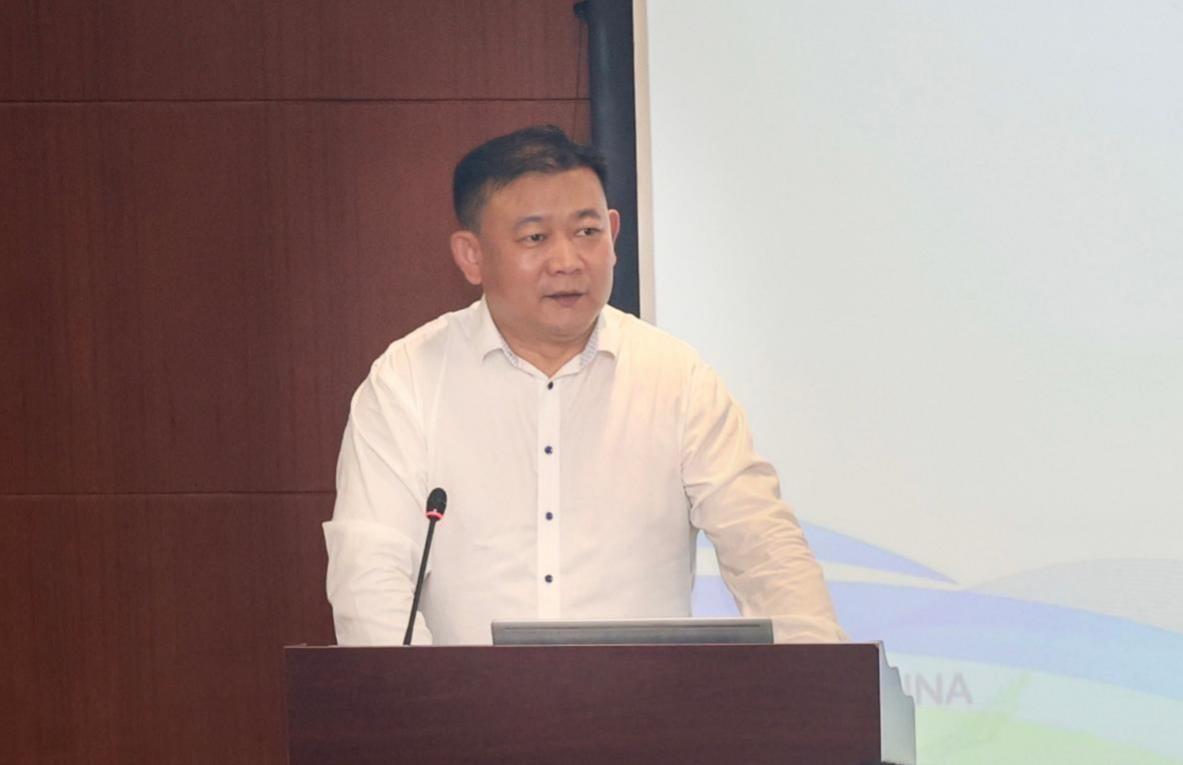
On behalf of the Shenzhen Academy of Social Sciences and the Shenzhen Federation of Social Sciences, He Xinhong warmly congratulated the organizers on the convening of the meeting and sincerely thanked those from all sectors who had long supported the development of philosophy and the social sciences in Shenzhen. He said that, with the support and organizational efforts of Shenzhen MSU-BIT University, three successive editions of the Academic Symposium on Shenzhen–Hong Kong Integrated Development had already been held. The symposium had become an important academic platform for studying the practice of “one country, two systems” in the new era and had played a positive role in building scholarly consensus and promoting practical cooperation between the two cities. He noted that the introduction of the Hong Kong SAR Government’s first Five-Year Plan both reflects the government’s evolving approach to governance and marks a new stage in Shenzhen–Hong Kong integration: one guided by overarching planning, supported by institutional alignment, and characterized by joint consultation, joint development and mutual benefit. He encouraged participants to ground their work in the challenges and opportunities shared by Shenzhen and Hong Kong, strengthen their awareness of the broader context, keep the country’s major priorities in mind, and take on new responsibilities and deliver new achievements in serving national development strategies.
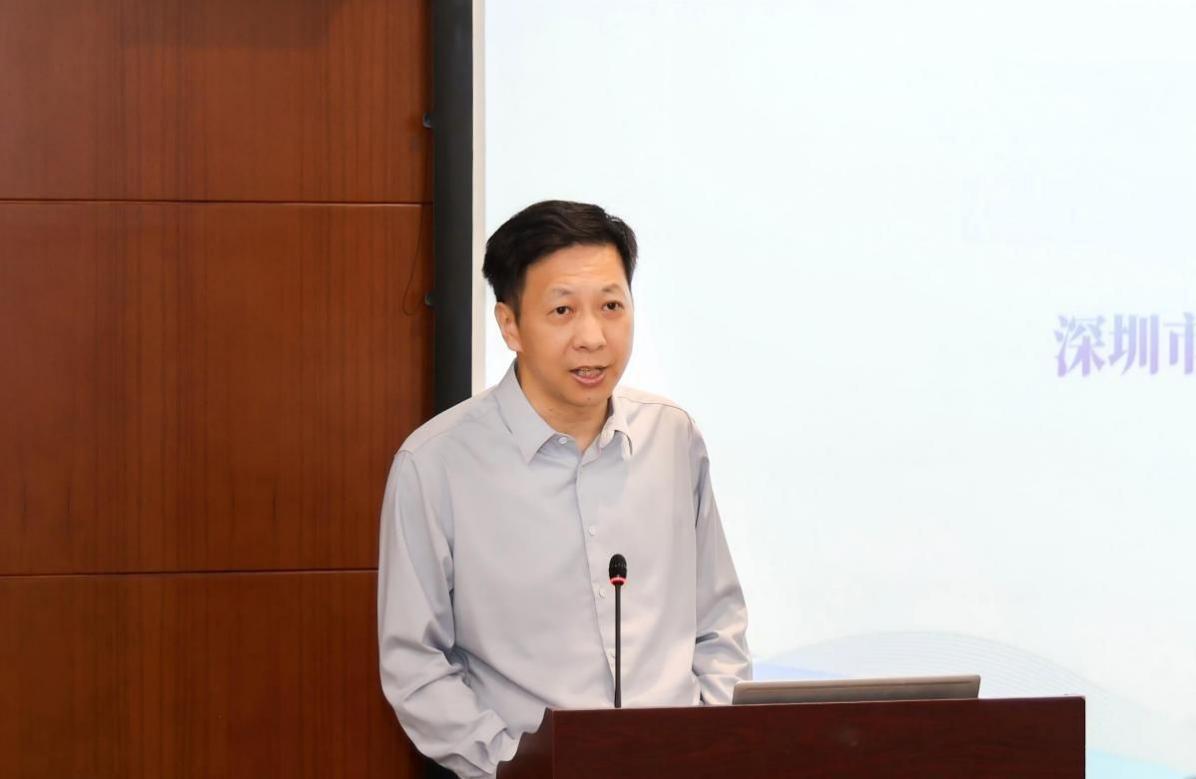
Shi Xuezheng noted that, with the Fifth Plenary Session of the 20th CPC Central Committee taking place and the APEC meeting scheduled for the following month, the timing and theme of this symposium—Hong Kong’s first Five-Year Plan and coordinated development of the Greater Bay Area—were particularly appropriate and significant. He said Shenzhen MSU-BIT University places great emphasis on the social sciences, fosters a strong academic and cultural environment, maintains distinctive educational strengths and provides effective policy advice. In particular, since the Shenzhen–Hong Kong Integrated Development Research Center was approved as a municipal key research base for the humanities and social sciences, it had produced substantial results, achieved broad influence and established a distinctive academic identity. He expressed the hope that the university and the research center would continue to focus on frontier issues and produce more high-quality research, contributing expertise and effort to Shenzhen–Hong Kong integration, the development of a world-class bay area, new practice under “one country, two systems,” and the national strategy of high-standard opening-up.
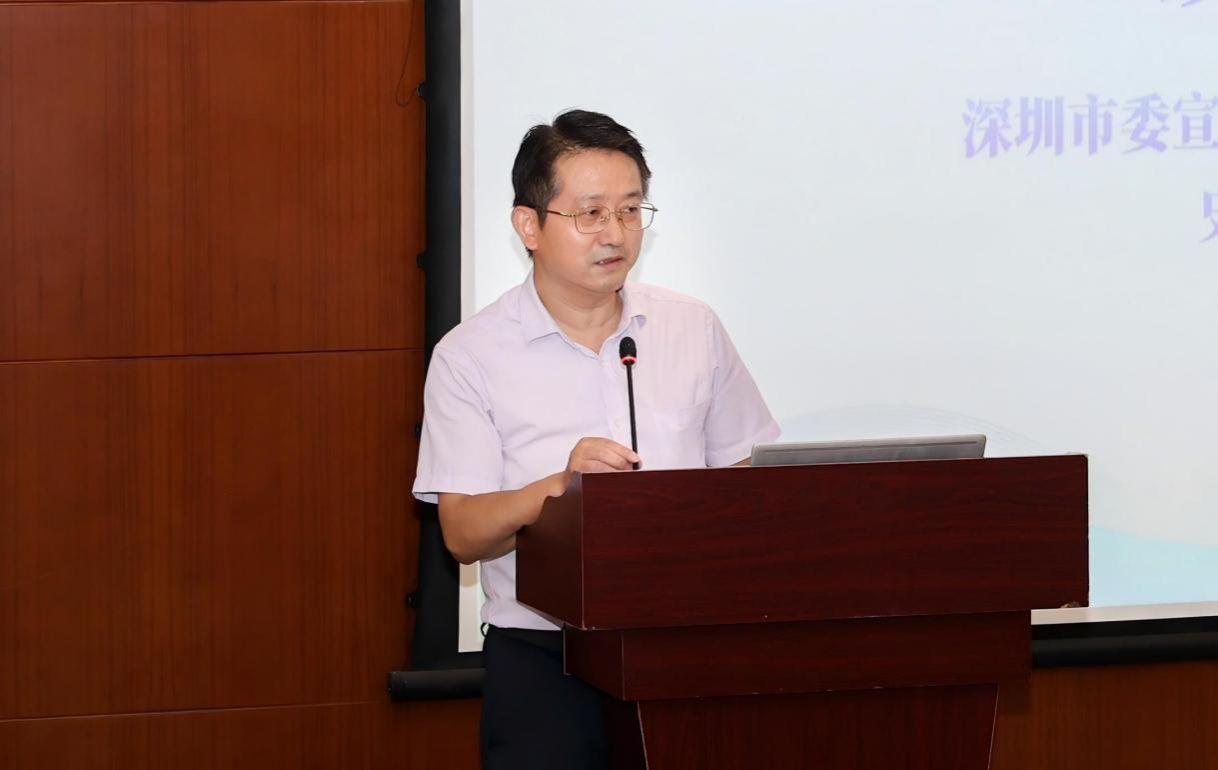
Chen Shaobo, Vice President of the Chinese Association of Hong Kong and Macao Studies, said that the Hong Kong Zhengsi Research Institute and Shenzhen MSU-BIT University’s Shenzhen–Hong Kong Integrated Development Research Center had jointly organized three previous editions of the Symposium on Shenzhen–Hong Kong Integrated Development. The fourth edition came at a historic point as integration entered a new stage, making it urgent to explore new issues and seize new opportunities. He emphasized that academic discussion should be forward-looking, practical and innovative, and that policy recommendations should take a long-term view, reflect actual conditions and be feasible to implement. Speaking as a representative of the organizers, Chen expressed sincere thanks to the Publicity Department of the CPC Shenzhen Municipal Committee, the Shenzhen Federation of Social Sciences and Shenzhen MSU-BIT University, and wished the symposium continued success.
The symposium’s academic exchanges focused on three topics: “Hong Kong’s First Five-Year Plan and High-Quality Development of the Greater Bay Area”; “Alignment and Coordinated Development between Shenzhen’s 15th Five-Year Plan and Hong Kong’s First Five-Year Plan”; and “The Reunification of Hearts and Minds: Making Mainland Life More Convenient for Hong Kong Residents in the New Era.” Nearly 20 experts and scholars delivered thematic presentations. Their contributions addressed broad, long-term questions about Hong Kong’s strategic positioning, institutional opportunities and governance models as it integrates into and serves the country’s overall development. They also examined practical issues in Shenzhen–Hong Kong integration, including planning coordination, alignment of rules, resource flows and public services. Combining overarching strategic thinking with detailed policy practice, the discussions offered useful ideas and policy recommendations for high-quality coordinated development of Shenzhen and Hong Kong, deeper development of the Greater Bay Area, and complementary strengths and shared prosperity in the two cities.
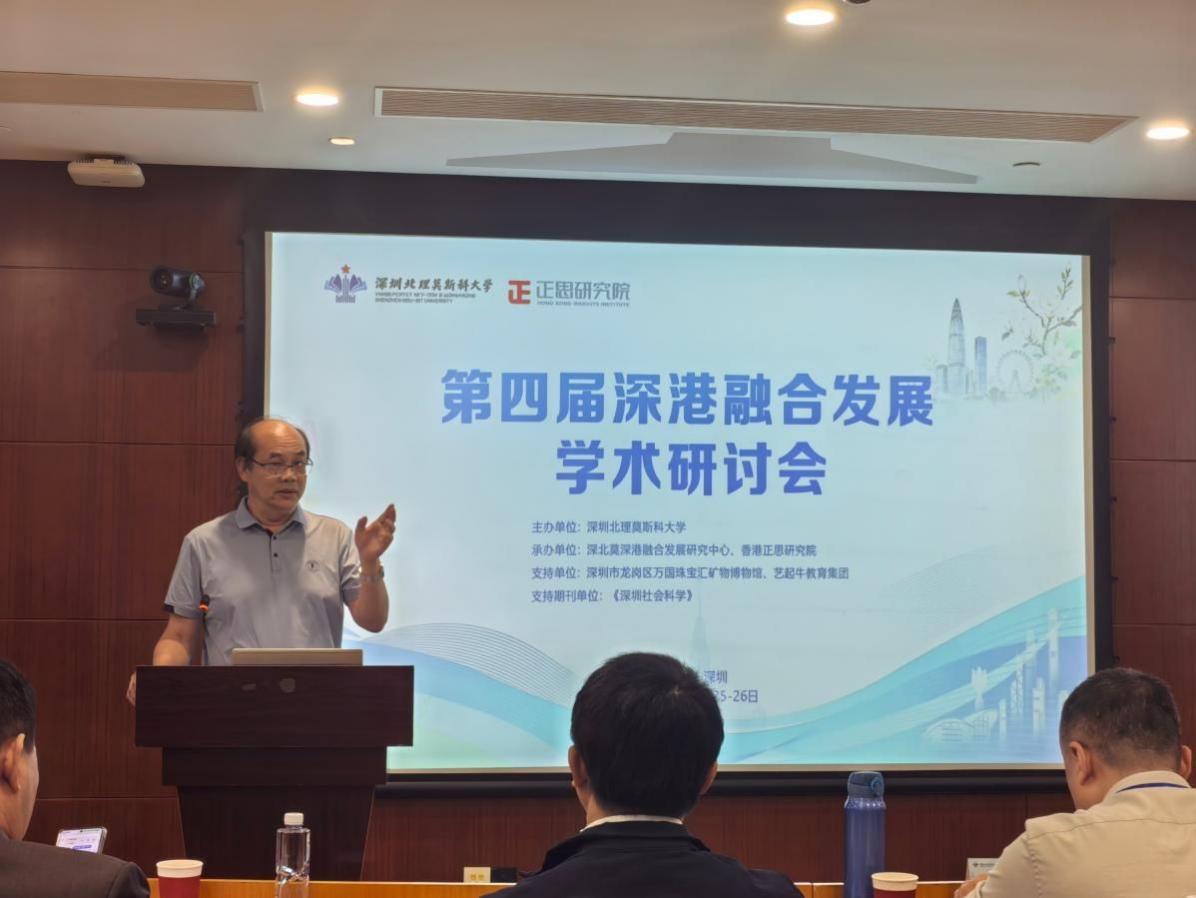
Professor Guo Zhenglin, head of the School of Marxism at Shenzhen MSU-BIT University and Chief Expert of the Institute of Shenzhen–Hong Kong Integrated Development, delivered the closing remarks. He said the thematic discussions and plenary exchanges had produced two basic points of consensus. First, confidence had increased. Participating experts expressed strong confidence in the Hong Kong SAR’s development prospects and in the SAR Government’s capacity to govern. Hong Kong’s first Five-Year Plan sets out strategic goals of “four centers and one leading hub,” providing direction and strong momentum for the government’s work. These goals, he said, would create a positive dynamic in which “goals guide efficiency, and efficiency serves goals.” Second, support had been strengthened. After more than four decades of reform and opening-up, the mainland—particularly Guangdong and Shenzhen—now has the resources and economic foundations to support Hong Kong’s economic and social transformation and contribute in return to the development of Hong Kong residents. It can help address the pressing practical difficulties that Hong Kong residents face when working and living on the mainland and provide greater convenience in employment and daily life. Through sincere efforts that earn genuine trust, he said, the “reunification of hearts and minds” can move from a topic of discussion to a practical reality.
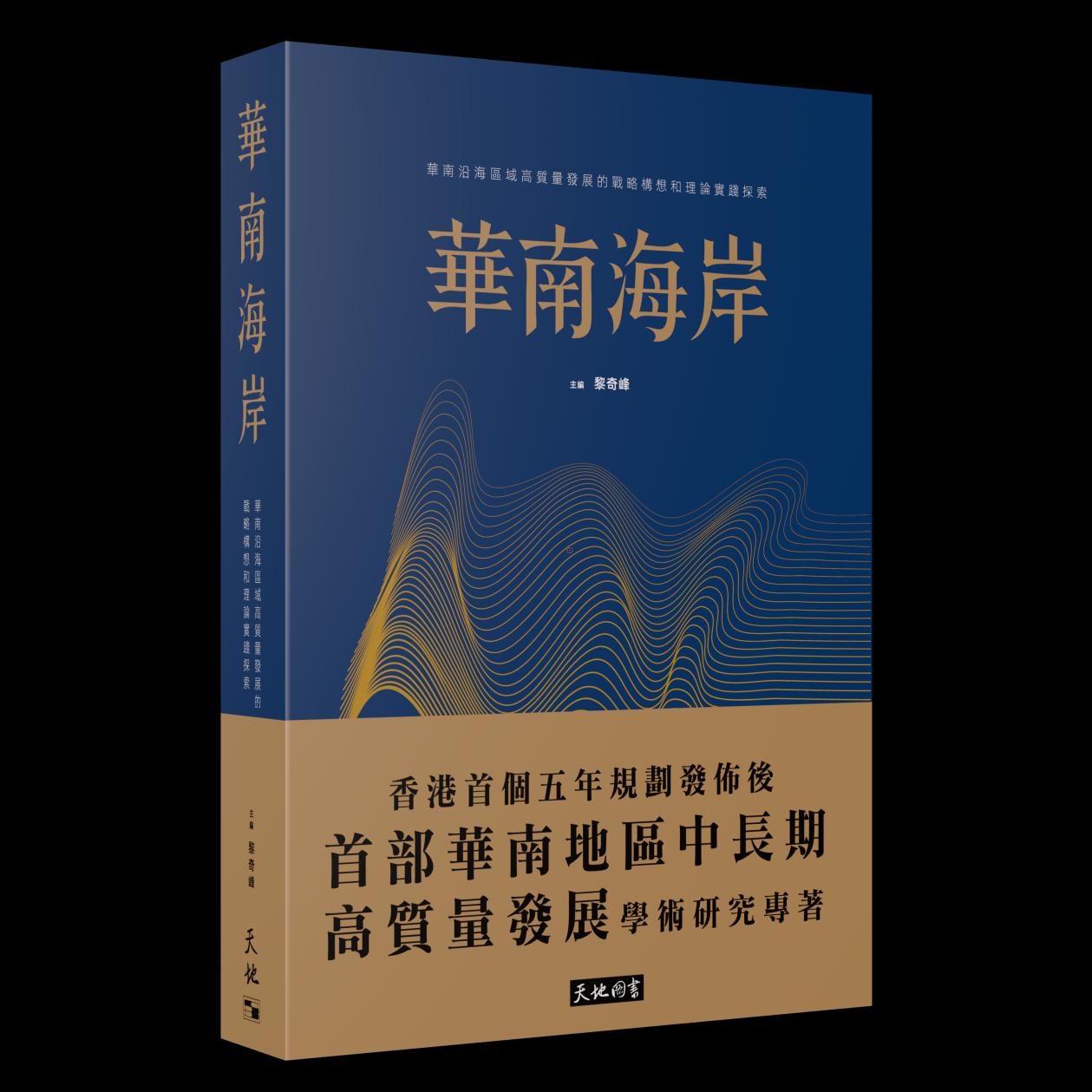
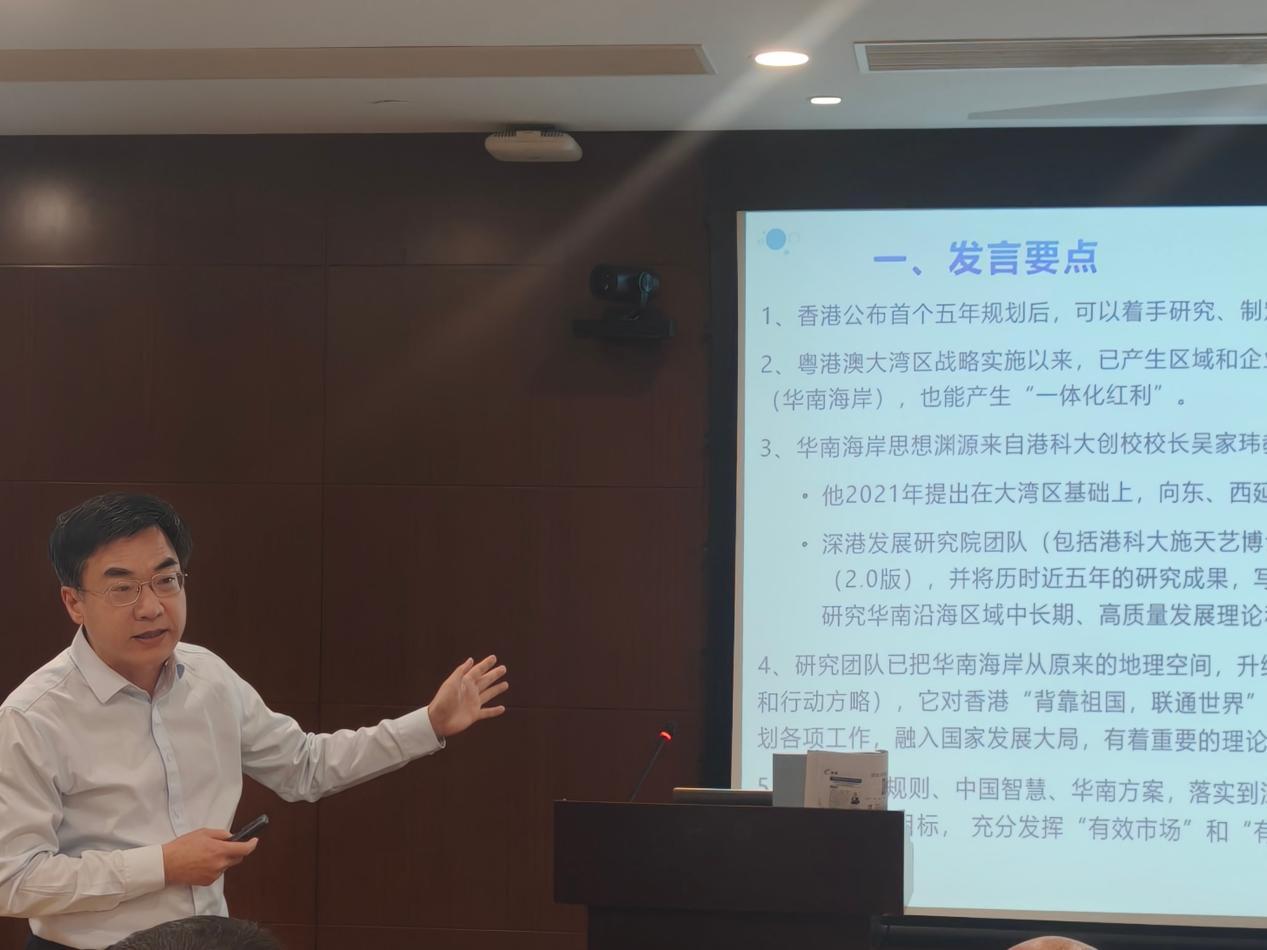
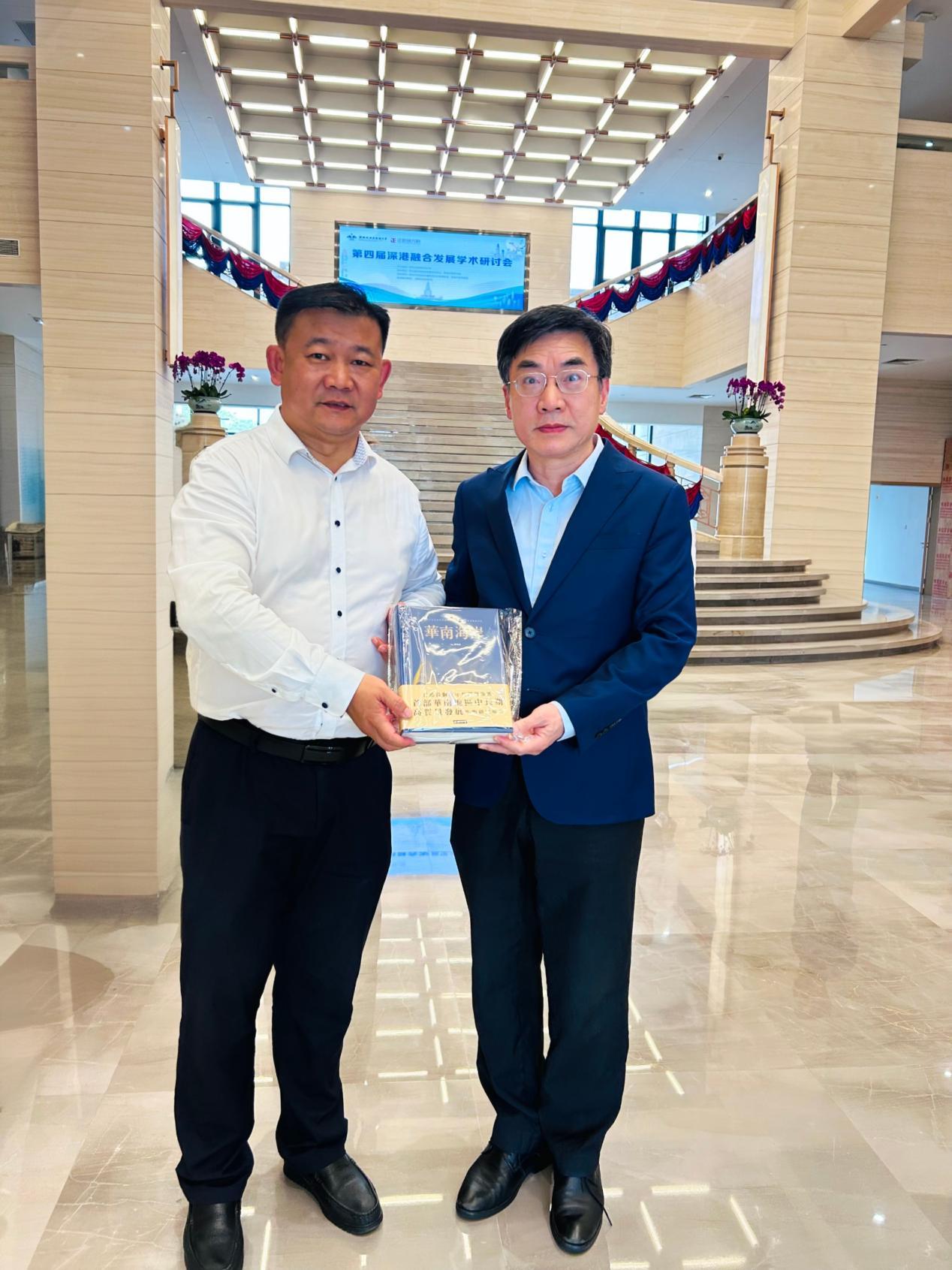
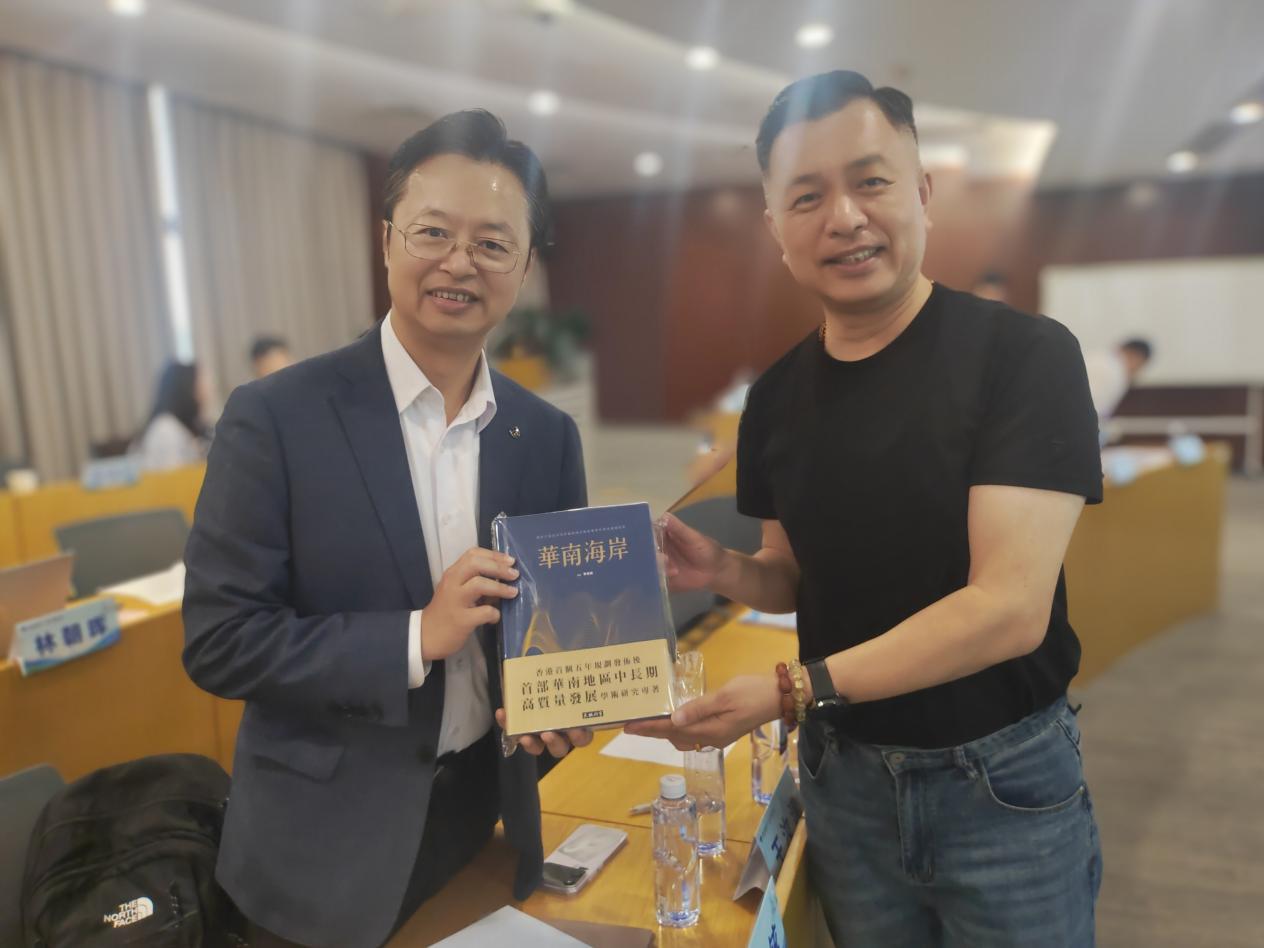
At the symposium, the Executive Dean of the Shenzhen–Hong Kong Development Research Institute at the Shenzhen–Hong Kong Industry–University–Research Base introduced South China Coast—the first academic research monograph on the medium- and long-term high-quality development of South China to appear after the release of Hong Kong’s first Five-Year Plan.
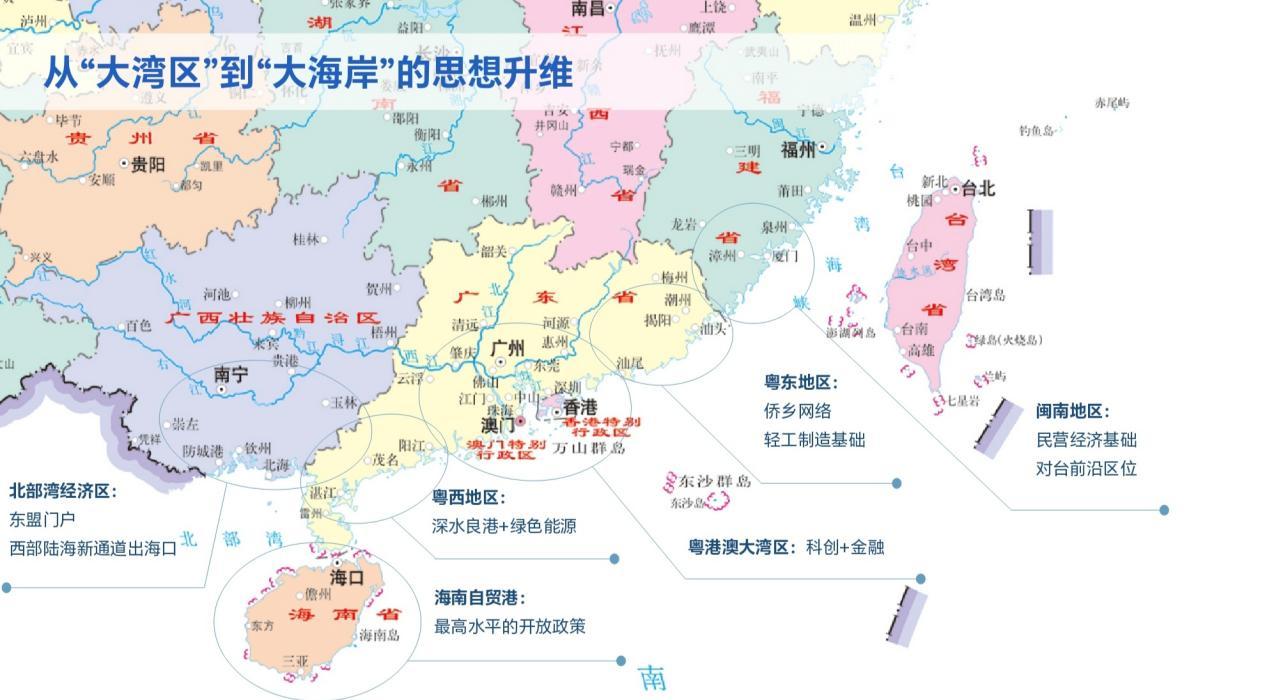
South China Coast builds on the forward-looking concepts of the “Hong Kong Bay Area,” the “Shenzhen–Hong Kong Bay Area” and the “South China Coast” proposed by Professor Woo Chia-Wei, the founding President of HKUST. It defines the South China coast as a continuous coastal economic belt with the Guangdong–Hong Kong–Macao Greater Bay Area as its core engine, encompassing eastern Guangdong, southern Fujian, western Guangdong, the Beibu Gulf and the Hainan Free Trade Port. The belt links the four provincial-level regions of Guangdong, Fujian, Guangxi and Hainan with Hong Kong and Macao, connecting four development regions under national strategies: the Guangdong–Hong Kong–Macao Greater Bay Area, the Hainan Free Trade Port, the Cross-Strait Integrated Development Demonstration Zone and the Beibu Gulf Economic Zone.
South China Coast comprises three parts and approximately 300,000 Chinese characters. The first part, “Strategic Vision,” uses case studies to analyze and compare the endowments, development experiences and lessons of the constituent regions of the South China coast and coastal regions in China and abroad. It proposes an overarching vision of establishing a “Demonstration Zone for Coordinated Coastal Development in Chinese Modernization” along the South China coast, exploring new approaches to coastal development across China and contributing Chinese insights through practical models and actionable solutions for coastal governance worldwide.
The second part, “Quantitative Research,” uses panel databases of 81 district- and county-level jurisdictions and 948 listed companies along the South China coast, covering 2000–2023. It applies advanced econometric methods, particularly difference-in-differences and its extensions, to rigorously identify and quantitatively evaluate the effects of implementing the Guangdong–Hong Kong–Macao Greater Bay Area national strategy. The analysis precisely measures the significant net policy effects—the “integration dividend”—generated by the strategy. It then uses counterfactual analysis, applying the Greater Bay Area strategy’s estimated policy-effect coefficients to the South China coast to simulate the potential scope of regional integration dividends. The research finds that, under a counterfactual scenario of “region-wide integration,” high-quality development along the South China coast would also reach a higher level.
The third part, “Action Strategy,” explains the significance of developing the South China coast, the proposed course of action, and prospects for external exchanges and cooperation. It proposes the “6–10 Programme” (2021–2049) for developing the South China Coast Economic Belt, with action in six areas: knowledge connectivity (pooling expertise and building consensus); infrastructure connectivity (physical and digital infrastructure); institutional connectivity (institutions, rules, management and services); people-to-people connectivity (cultural exchange and science and education services); domestic connectivity (extending links within China and coordinating land and sea); and international connectivity (global engagement and external cooperation). Each area of connectivity comprises ten projects, making 60 in total. The aim is to turn the broad vision into specific designs and implementation plans, linking theory with practice, knowledge with action, and understanding with results.
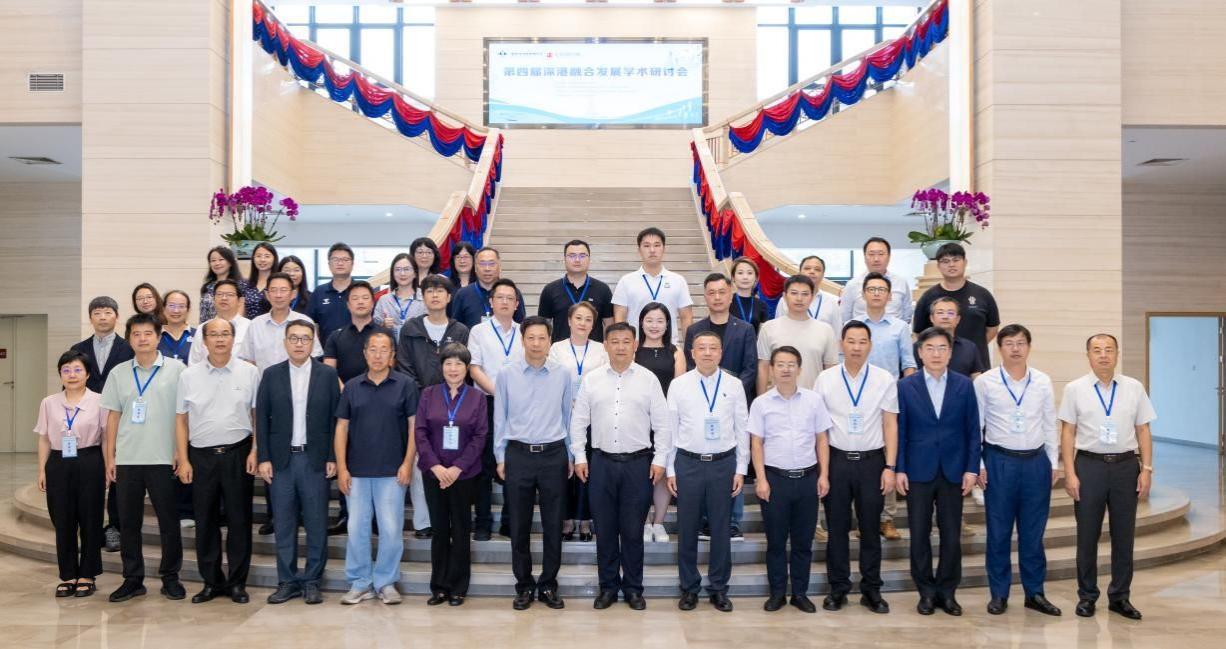
More than 50 experts, scholars, officials and invited guests attended the symposium. They represented the Liaison Office of the Central People’s Government in the Hong Kong SAR; the Hong Kong and Macao Affairs Office of the State Council; the Publicity Department and the Policy Research Office of the CPC Shenzhen Municipal Committee; the Guangdong Academy of Social Sciences; the Shenzhen Academy of Social Sciences; the Legislative Council of Hong Kong; the Chinese Association of Hong Kong and Macao Studies; the China Development Institute in Shenzhen; the Hong Kong Zhengsi Research Institute; the Beijing Research Center for Hong Kong and Macao Scholars; the Shenzhen–Hong Kong–Macao Science and Technology Alliance; the Silu Research Association; and the Shenzhen–Hong Kong Industry–University–Research Base. Participating educational institutions included Sun Yat-sen University, The Chinese University of Hong Kong, the Hong Kong University of Science and Technology, Southern University of Science and Technology, HKCT Institute of Higher Education, Northeast Normal University, South China Normal University, Shenzhen University, Shenzhen Technology University, Guangdong University of Education, Shenzhen City Polytechnic, Guangdong Food and Drug Vocational College, and Zhongshan Polytechnic.
(This article was compiled from the Shenzhen MSU-BIT University news report, ‘The Fourth Symposium on Shenzhen–Hong Kong Integrated Development Successfully Held at Shenzhen MSU-BIT University’, and materials relating to South China Coast.)