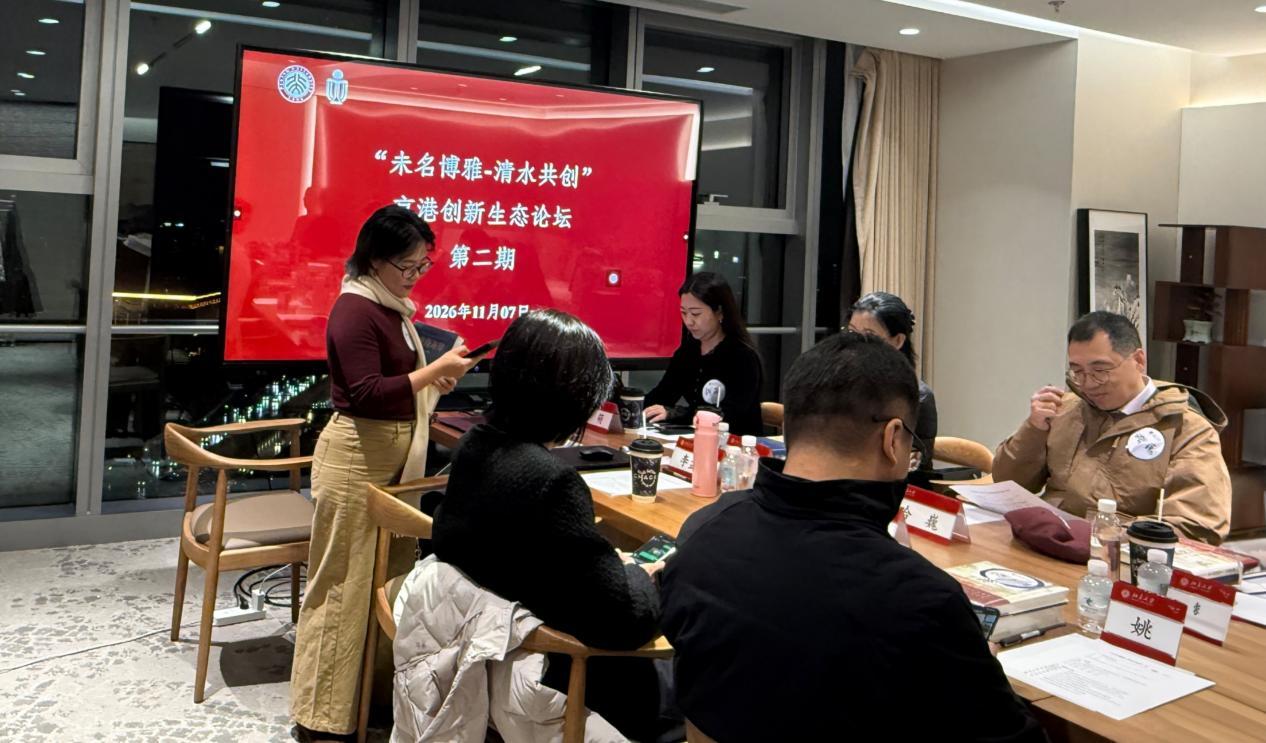
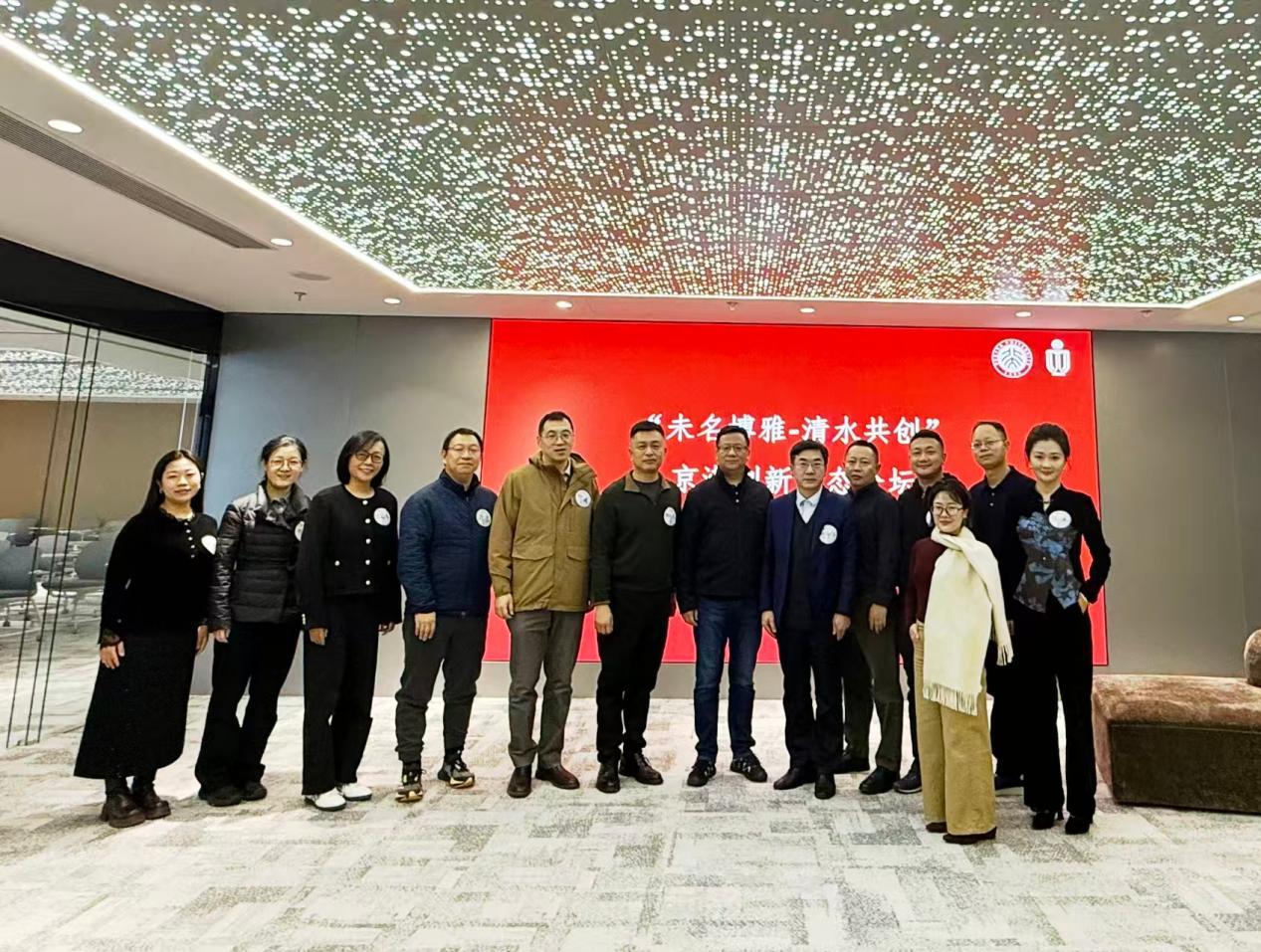
On the afternoon of November 7, 2026, participants from education, science and technology innovation, industry–university–research collaboration and other sectors in Beijing, Shanghai, Shenzhen and Hong Kong gathered in Zhongguancun, Beijing, for a small, closed-door seminar to explore development prospects for the South China coast and discuss the Beijing–Hong Kong education, science and innovation ecosystem.
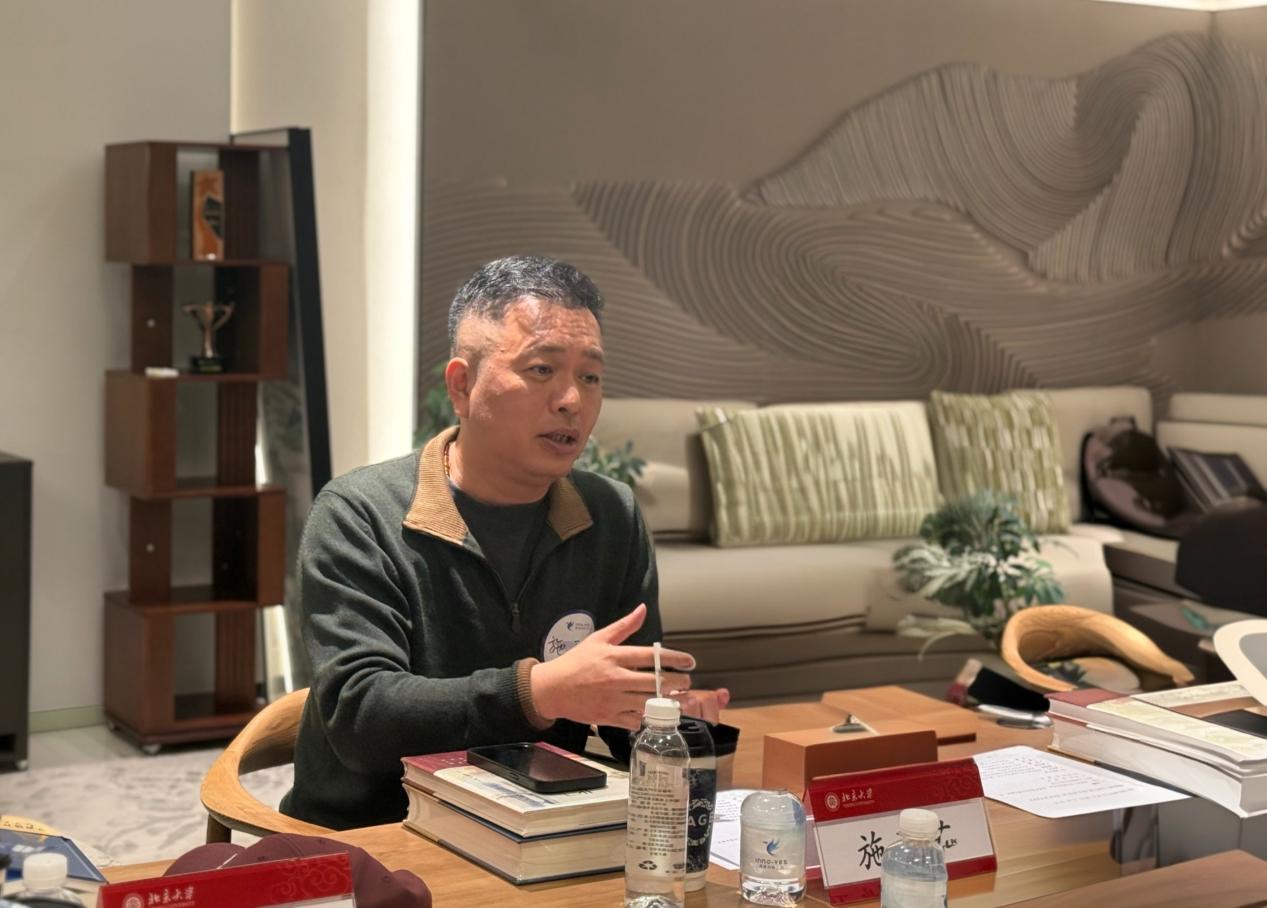
Dr. Timothy Sze, Director of the Mainland Affairs Office at the Hong Kong University of Science and Technology (HKUST), convened this seminar. He briefly introduced its purpose, significance and agenda, as well as the principal guests. He proposed that, following the release of Hong Kong’s first Five-Year Plan, Beijing and Hong Kong should further strengthen exchanges and cooperation in education, science and technology, and talent development.
Before the seminar began, Dr. Sze screened the video “What Is a University?” The video was presented at the “World’s Top University Presidents Forum 2026” as part of HKUST’s celebrations of its 35th anniversary in 2026. Centered on the theme “Global Education Leaders Gather at HKUST to Discuss the Future,” it explored the role and future direction of higher education in the age of artificial intelligence. The video featured reflections and insights from the presidents of several leading universities around the world on the fundamental nature of a university.
On November 4–5, 2026, HKUST hosted the “World’s Top University Presidents Forum 2026” at its Shaw Auditorium. Under the theme “Reimagining Higher Education: Innovation for the Future,” the forum brought together more than 130 presidents and representatives from over 50 universities worldwide, including leading institutions such as Peking University, Tsinghua University, Fudan University, Nanyang Technological University in Singapore, the University of Cambridge in the United Kingdom, and the University of California, Los Angeles in the United States.
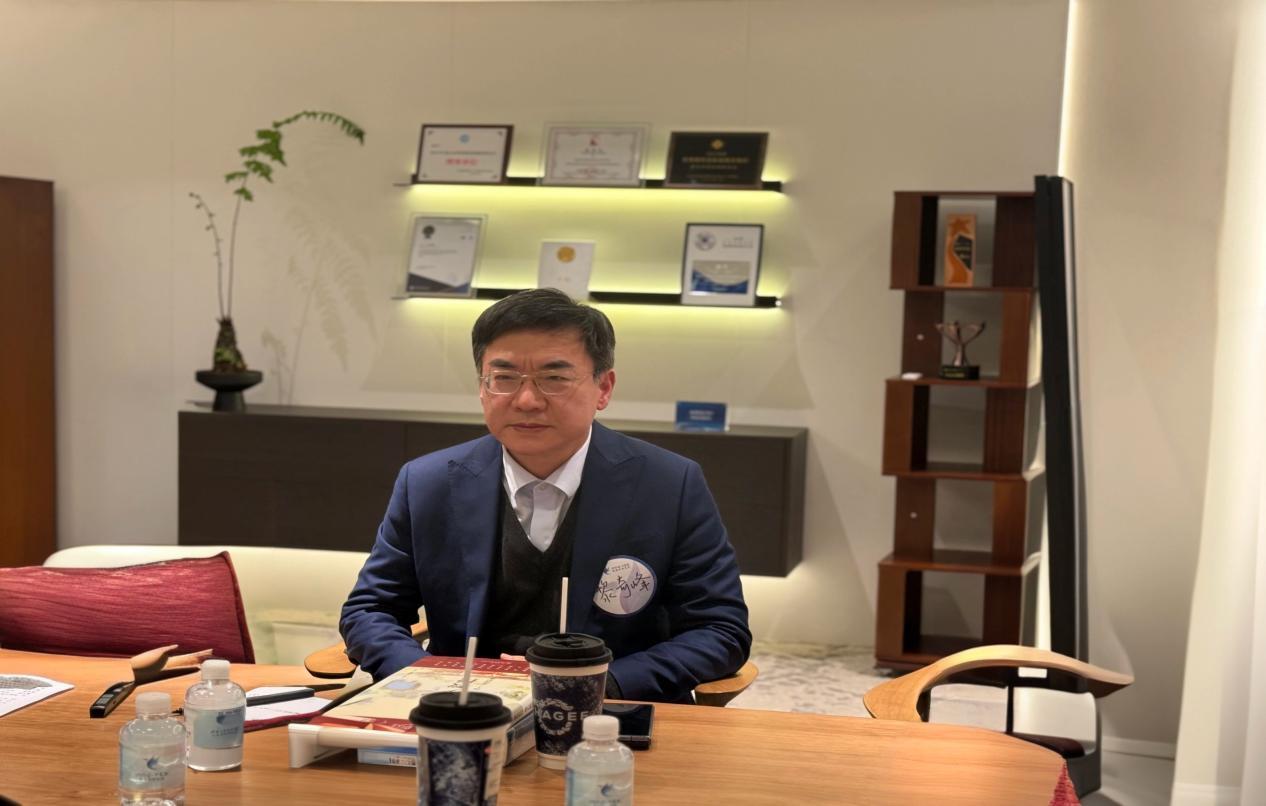
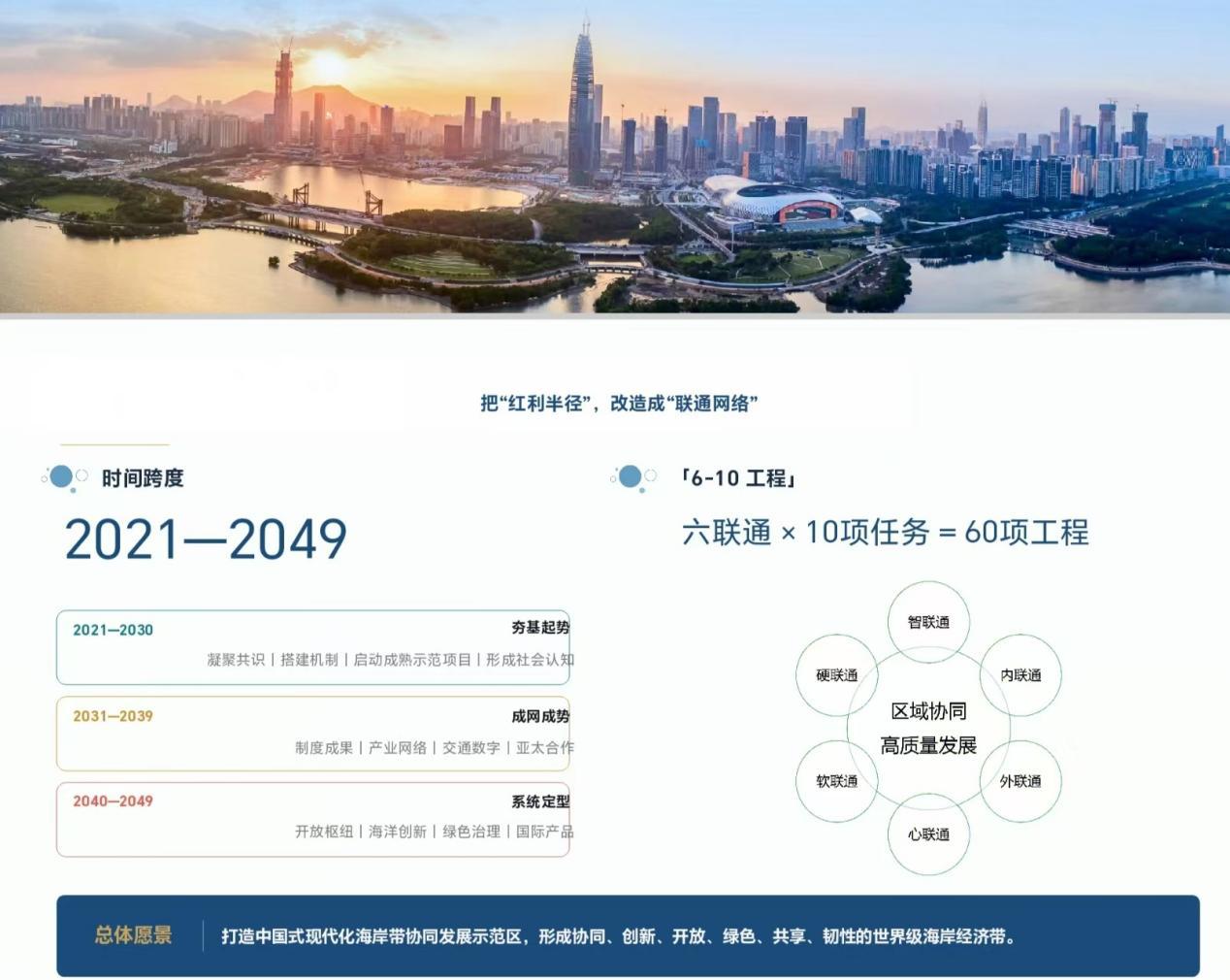
Li Qifeng, Executive Dean of the Shenzhen–Hong Kong Development Research Institute at the Shenzhen–Hong Kong Industry–University–Research Base, introduced various aspects of South China Coast, which is scheduled for formal publication and release in Hong Kong on November 18.
He said that this is the first academic monograph on the medium- and long-term high-quality development of the South China coast to appear after Hong Kong issued its first Five-Year Plan. He suggested that Hong Kong should begin studying and formulating a 15-year medium- to long-term development plan and a 30-year long-term development plan.
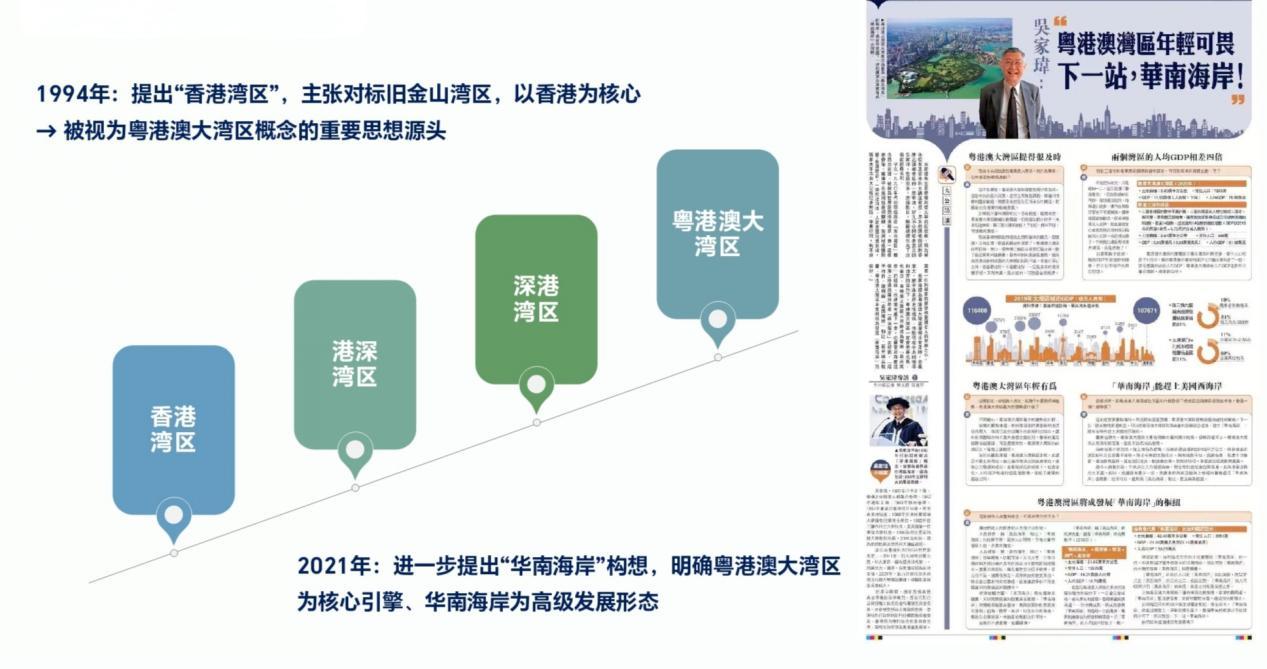
South China Coast is divided into three parts. The first, “Strategic Vision,” traces its intellectual origins to Professor Woo Chia-Wei, the founding President of HKUST. In 2021, Professor Woo proposed building on the Guangdong–Hong Kong–Macao Greater Bay Area by extending eastward to eastern Guangdong, westward to western Guangdong, and southward to encompass the Hainan Free Trade Zone, forming the South China Coast concept, version 1.0. The research team incorporated southern Fujian and the Beibu Gulf to create version 2.0. Using case studies, the first part analyzes and compares the endowments, development experiences and lessons of the constituent regions of the South China coast and coastal regions in China and abroad. It proposes establishing a “Demonstration Zone for Coordinated Coastal Development in Chinese Modernization” along the South China coast, exploring new approaches to coastal development across the country, and contributing Chinese insights through practical models and actionable solutions for coastal governance worldwide.
The second part, “Quantitative Research,” constructs panel databases covering 2000–2023, including 81 district- and county-level jurisdictions and 948 listed companies in Guangdong and Hainan provinces. It applies advanced econometric methods, particularly difference-in-differences and its extensions, to rigorously identify and quantitatively evaluate the effects of implementing the Guangdong–Hong Kong–Macao Greater Bay Area national strategy. The analysis precisely measures the significant net policy effects—the “integration dividend”—generated by the strategy. It then uses counterfactual analysis, applying the Greater Bay Area strategy’s estimated policy-effect coefficients to the South China coast to simulate the potential scope of regional integration dividends. The research finds that, under a counterfactual scenario of “region-wide integration,” high-quality development along the South China coast would also reach a higher level.
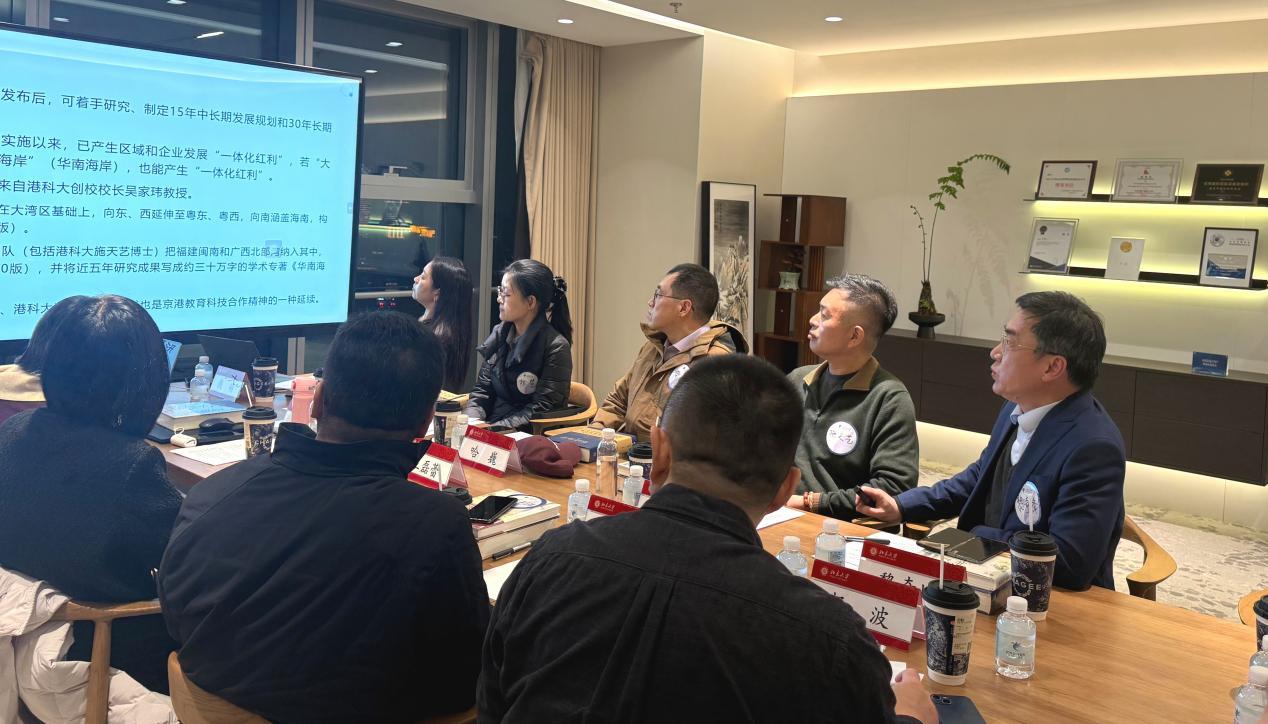
The third part, “Action Strategy,” explains the significance of developing the South China coast, the proposed course of action, and prospects for external exchanges and cooperation. It proposes the “6–10 Programme” (2021–2049) for developing the South China Coast Economic Belt, with action in six areas: knowledge connectivity (pooling expertise and building consensus); infrastructure connectivity (physical and digital infrastructure); institutional connectivity (institutions, rules, management and services); people-to-people connectivity (cultural exchange and science and education services); domestic connectivity (extending links within China and coordinating land and sea); and international connectivity (global engagement and external cooperation). The aim is to turn the broad vision into specific designs and implementation plans, linking theory with practice, knowledge with action, and understanding with results.
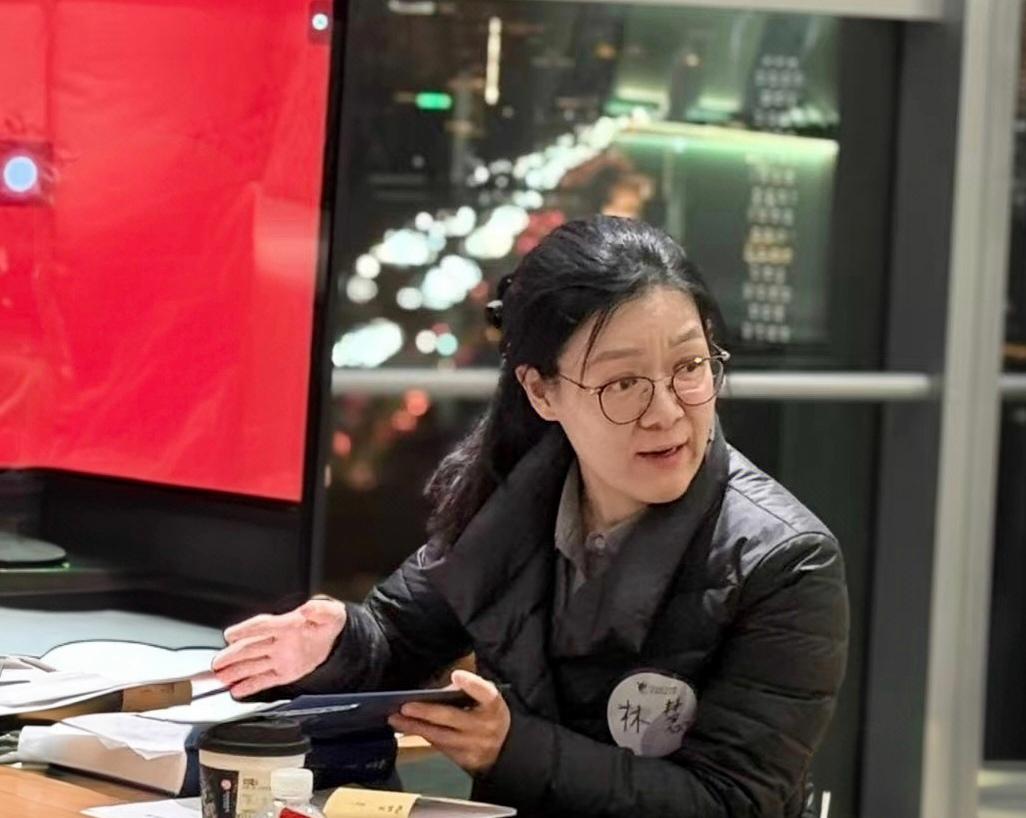
Lin Hui, a Research Fellow and Director of the International Cooperation Office at the Institutes of Science and Development, Chinese Academy of Sciences—a national high-level think tank—shared her impressions as a contributor of a review of South China Coast. She said she was especially delighted to receive the beautifully printed new book and felt honored to contribute a review to the same academic volume as eminent scholars whom she would normally encounter only on television or in newspapers. She expressed the hope that the book’s strategic vision, research findings and policy recommendations could be conveyed to the relevant national authorities through internal policy reports.
Dr. Timothy Sze of HKUST’s Mainland Affairs Office offered strategic observations and recommendations on making better use of existing assets and addressing the “last mile” in integrating Hong Kong and Macao education into China’s efforts to build a leading education system. Taking the eastern wing of Hong Kong International Airport, 11 SKIES, as an example, he proposed initiatives such as building a Beijing–Hong Kong education, science and innovation ecosystem, developing a Unicorn Tower, and hosting EMBA programmes offered by leading business schools.
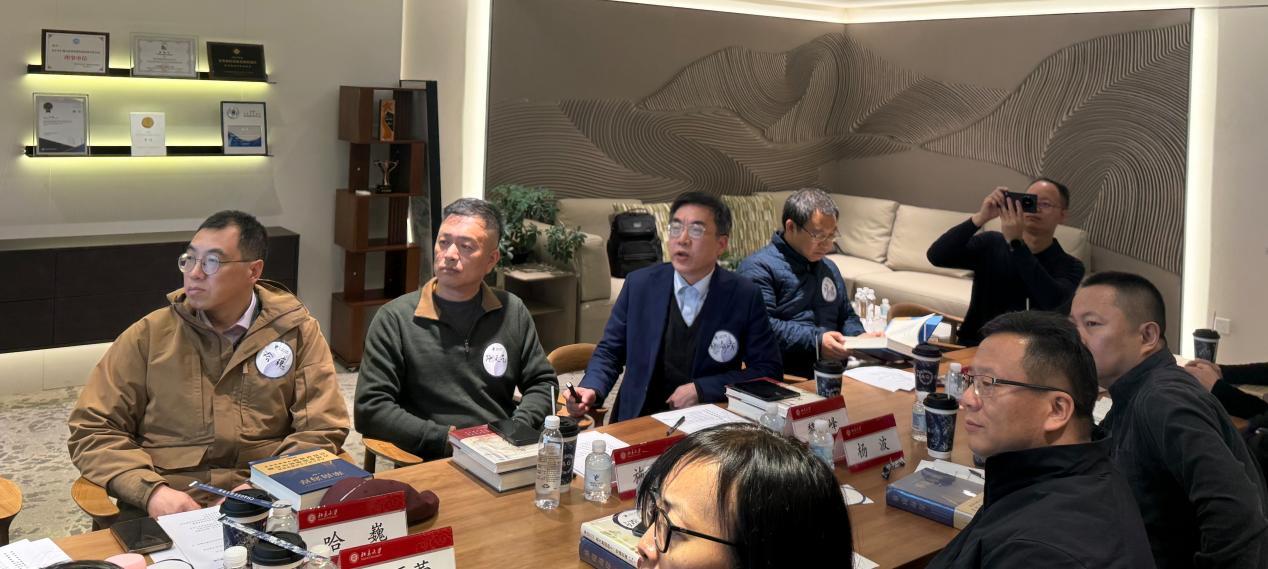
Professor Ha Wei, Associate Dean of the Graduate School of Education at Peking University, argued that the essence of higher education cooperation in Hong Kong’s Northern Metropolis is not the physical expansion of Hong Kong universities, but the rebuilding of a government–university–industry “triple helix” within the “one country, two systems” framework. Under this model, Ngau Tam Mei–Hetao would form the core for generating scientific and technological innovation; Hung Shui Kiu would serve as a hub for applying research, commercializing results and attracting talent; and the Shenzhen–Hong Kong industrial ecosystem would provide an external engine. Joint institutional entities, shared facilities, dual-supervisor arrangements and cross-border regulatory sandboxes could translate the basic research strengths of Hong Kong and Macao universities into innovation momentum across the Greater Bay Area’s entire value chain, making the Northern Metropolis a national testing ground for the integrated development of education, science and technology, and talent.
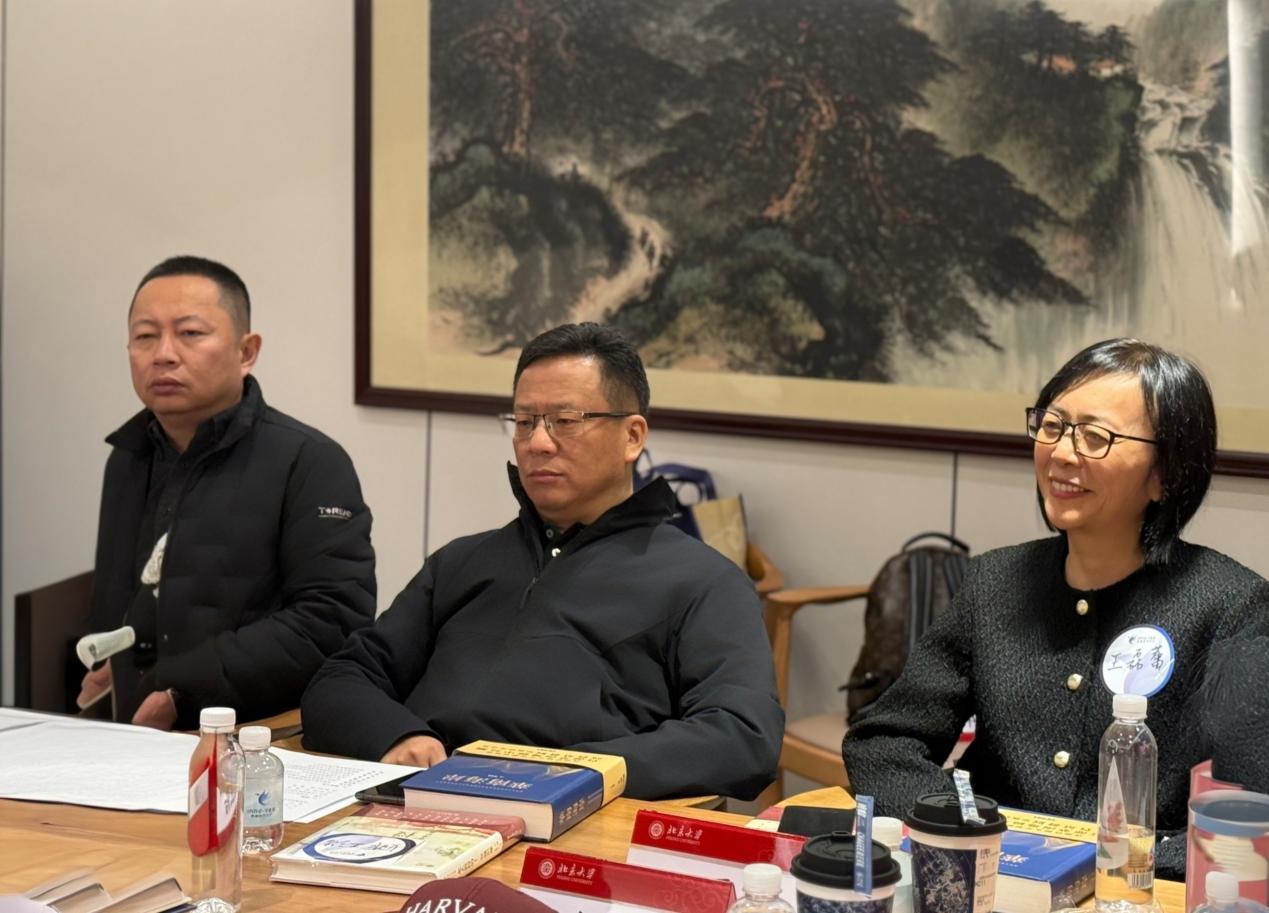
Participants in the second Beijing–Hong Kong Innovation Ecosystem Forum and the exchange activities in the second half of the event included Yao Weihao, Director of the Department of Science and Technology Development and Dean of the Institute of Industrial Technology at Peking University; Weng Xi, Professor in the Department of Applied Economics at Peking University’s Guanghua School of Management; Yang Bo, Partner at Tengyun Capital of Century Golden Resources Group; Wang Leilei, Co-founder of Beijing Aisuote Nuclear Electronics Machinery Co., Ltd.; Guo Yipeng, General Manager of Guoxin Fund Management Co., Ltd.; Wang Yu, Executive Director of the Shanghai Lingang Peking University International Science and Technology Innovation Center; Li Mengze, Co-founder and Executive General Manager of Yanyuan Incubator; Qian Meng, Deputy Secretary-General of the Zhongguancun Technology Managers Association; and Hua Bing, Deputy Director of the Office of the Peking University Finance Alumni Federation.