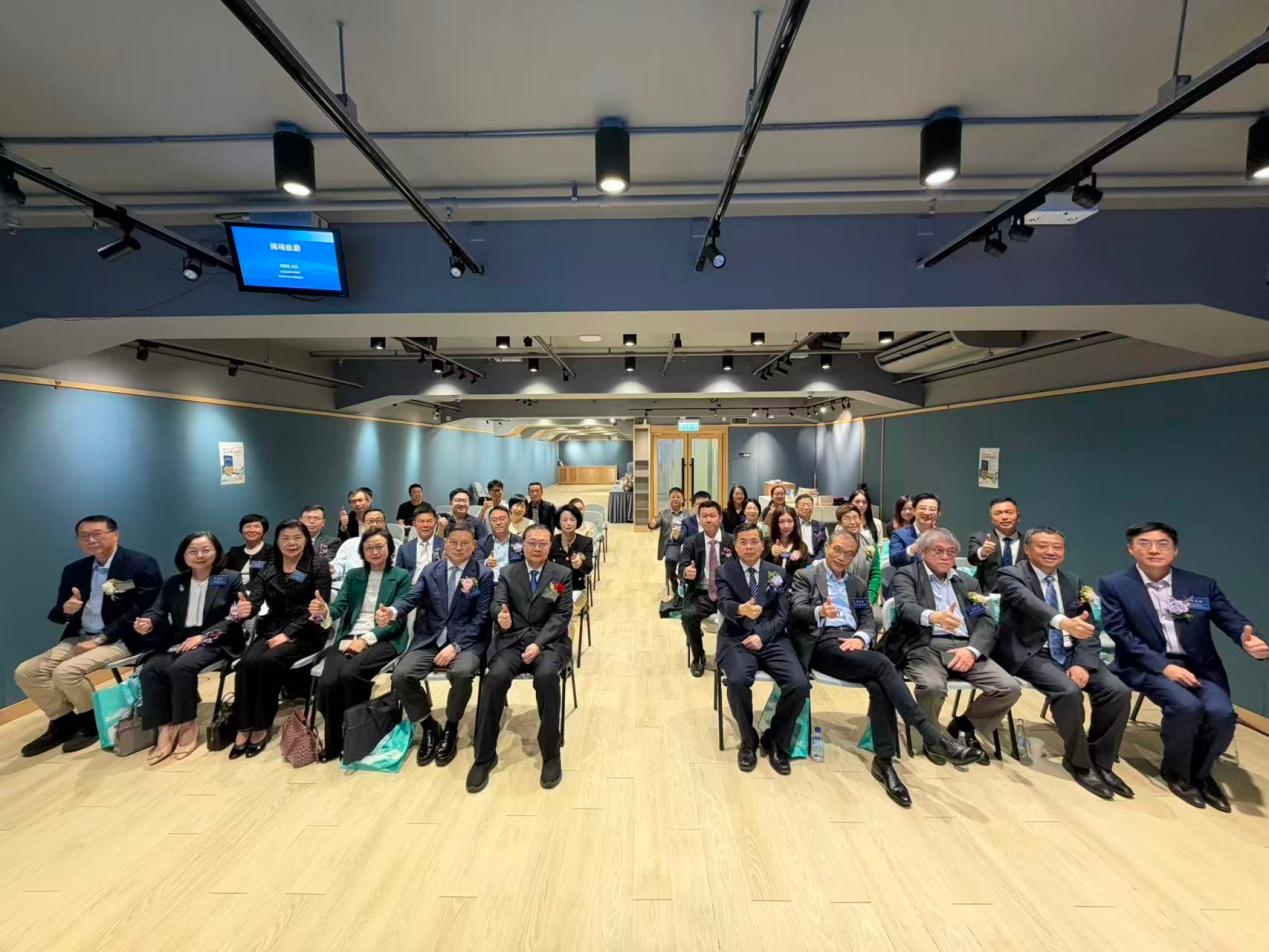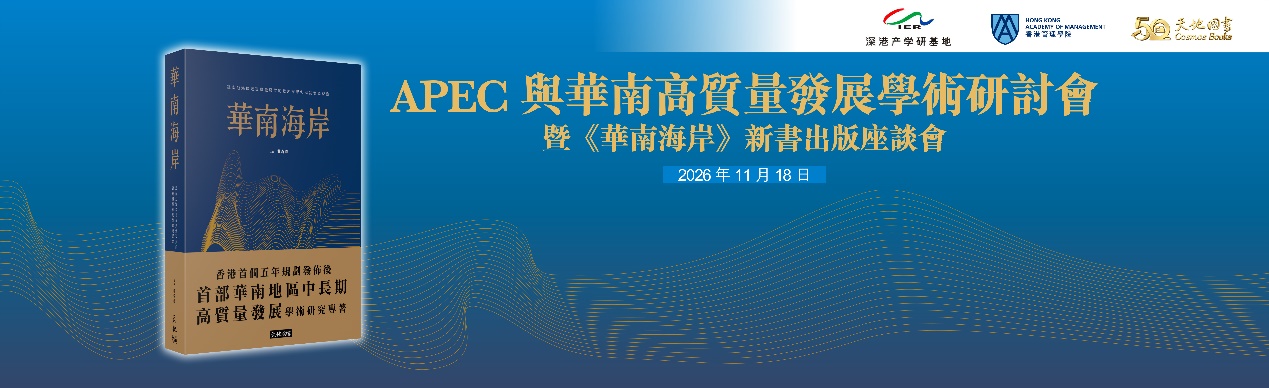
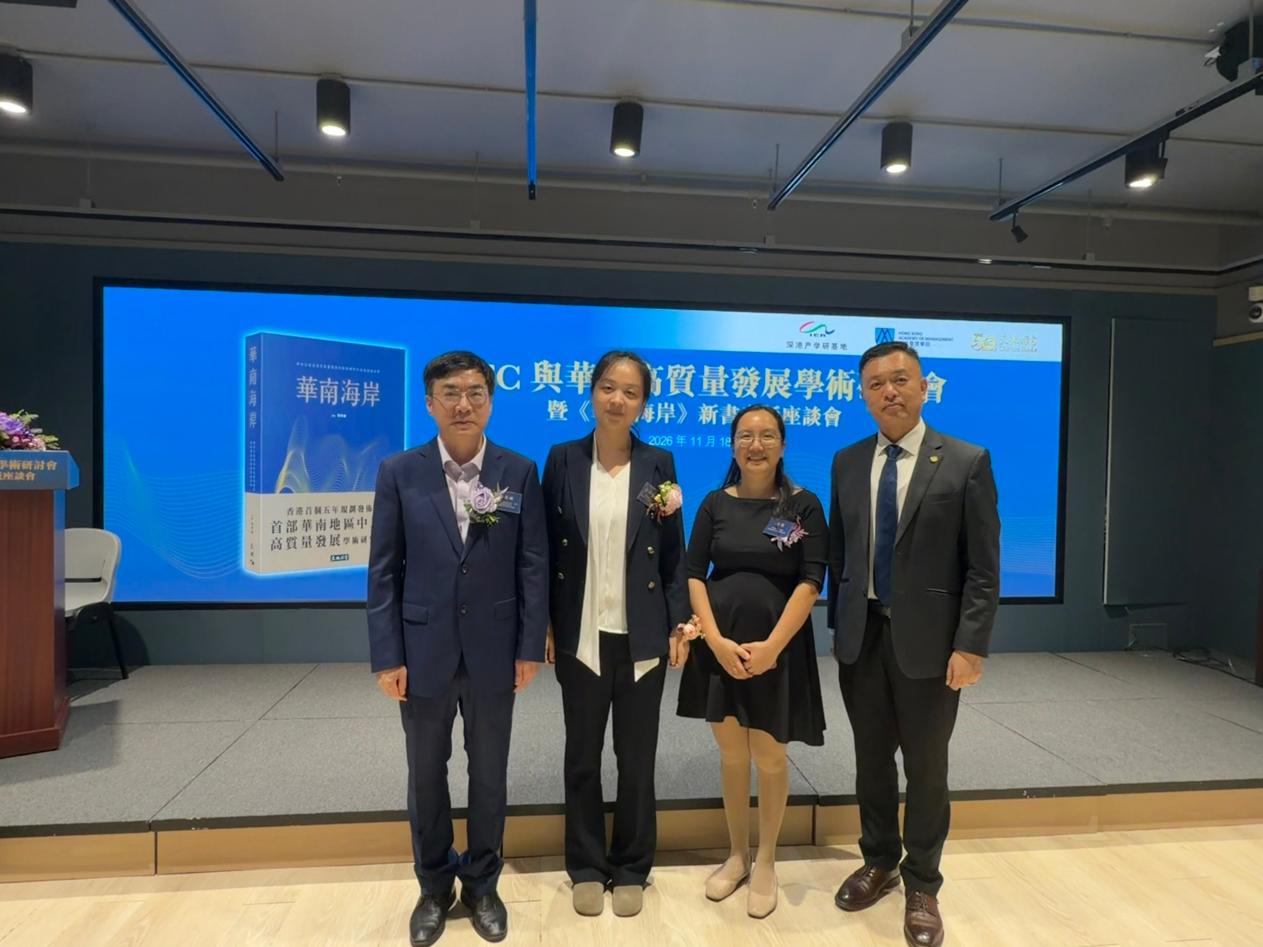
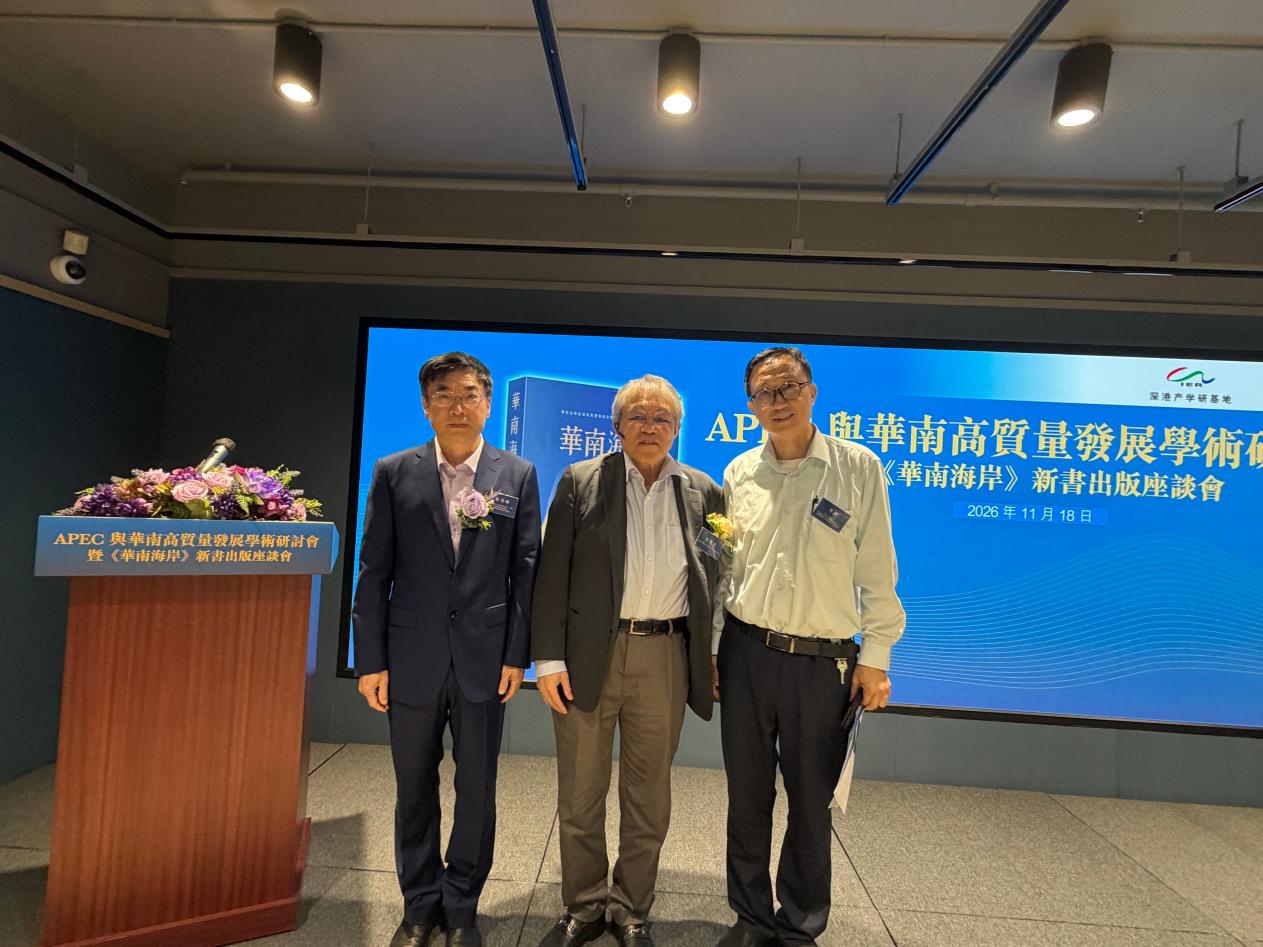
On the afternoon of November 18, 2026, the Academic Symposium on APEC and High-Quality Development in South China and the South China Coast book launch were held in Central, Hong Kong, coinciding with the announcement of Hong Kong’s first Five-Year Plan and the 33rd APEC Economic Leaders’ Meeting in Shenzhen. The event was jointly organized by the Shenzhen–Hong Kong Industry–University–Research Base, the Hong Kong Academy of Management and Cosmos Books, Hong Kong. Dozens of guests from government, academia, publishing and business gathered to mark the formal publication and release of South China Coast. They discussed coordinated development between the South China coast and the Guangdong–Hong Kong–Macao Greater Bay Area, regional economies of scale and market connectivity.
On the same day, President Xi Jinping proposed at the APEC meeting that China support the establishment of a World Bay Area Economic Cooperation Alliance, setting a new direction for exchanges and cooperation among bay areas worldwide. The proposal echoed the focus of the symposium and the research presented in South China Coast, giving the event a significant contemporary context.
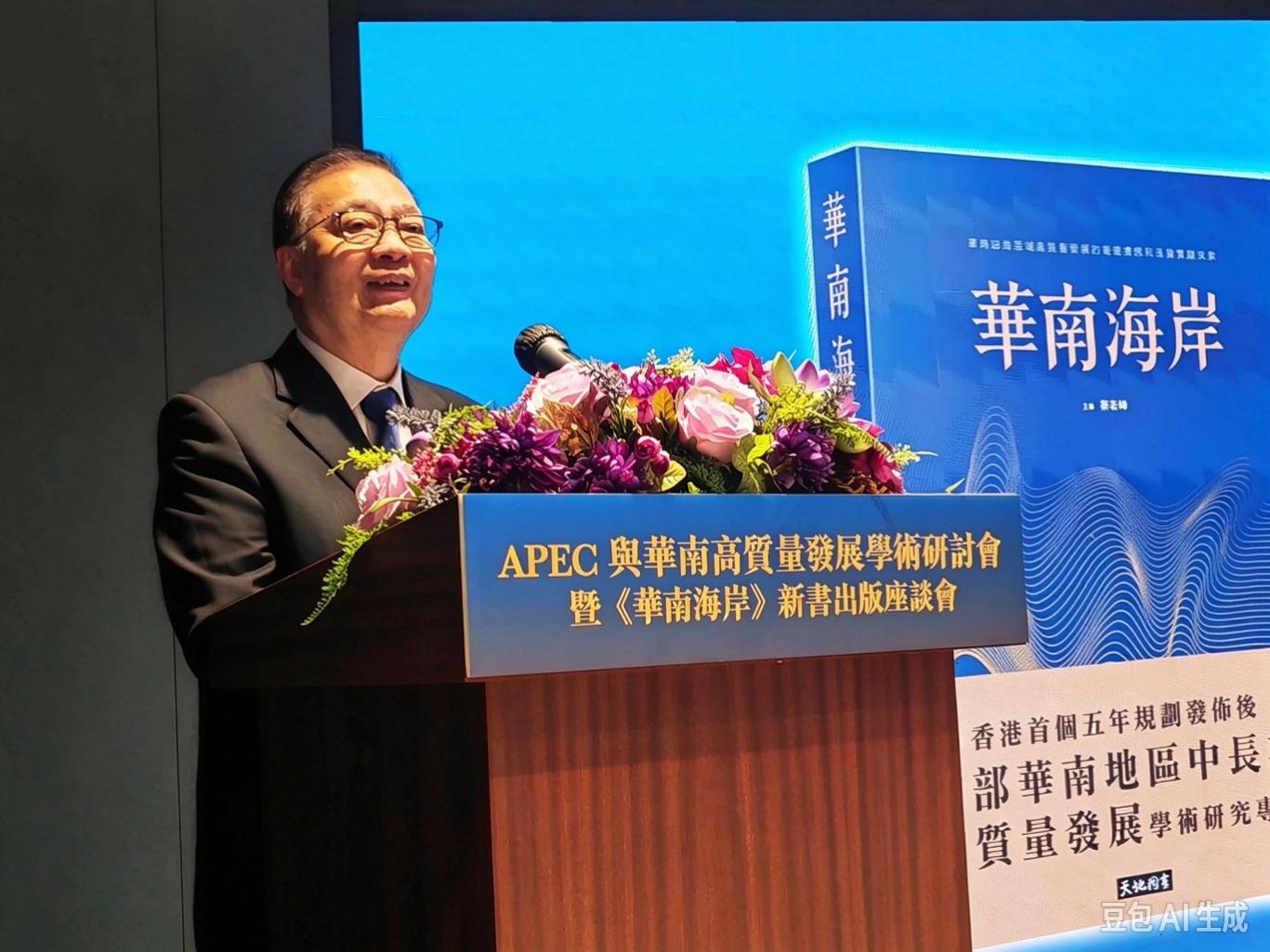
Opening Address: The Pinglu Canal and the South China Coast
Tan Yaozong, a member of the Standing Committee of the 13th National People’s Congress, an adviser to the Chinese Association of Hong Kong and Macao Studies and Secretary-General of the Hong Kong Coalition, was invited to deliver the opening address. Drawing on a recent visit to the Pinglu Canal in Guangxi, he said that the canal creates a direct connection between the Xijiang shipping corridor and the Beibu Gulf, helping Sichuan and Chongqing in western China shift from an inland hinterland to a frontier of opening-up. He described it as an important support for the overall development and regional balance of the South China coast. He said that the “South China Coast” is more than a geographical concept: it is an economic corridor encompassing Guangdong, Fujian, Guangxi and Hainan, together with Hong Kong and Macao, and connecting four national strategic platforms. Under “one country, two systems,” he argued, Hong Kong’s distinctive strengths—its support from the motherland and connections with the world—should enable it to take an active part in this broader development framework, serving as a super value-adder for enterprises from South China expanding into APEC markets and a preferred platform for attracting Asia-Pacific capital.
Introducing the Book: From the Greater Bay Area to the South China Coast
Li Qifeng, Chief Editor of South China Coast and Executive Dean of the Shenzhen–Hong Kong Development Research Institute at the Shenzhen–Hong Kong Industry–University–Research Base, delivered a keynote speech entitled “From the Guangdong–Hong Kong–Macao Greater Bay Area to the South China Coast: A Path of Chinese Modernization for a World-Class Coastal Belt.”
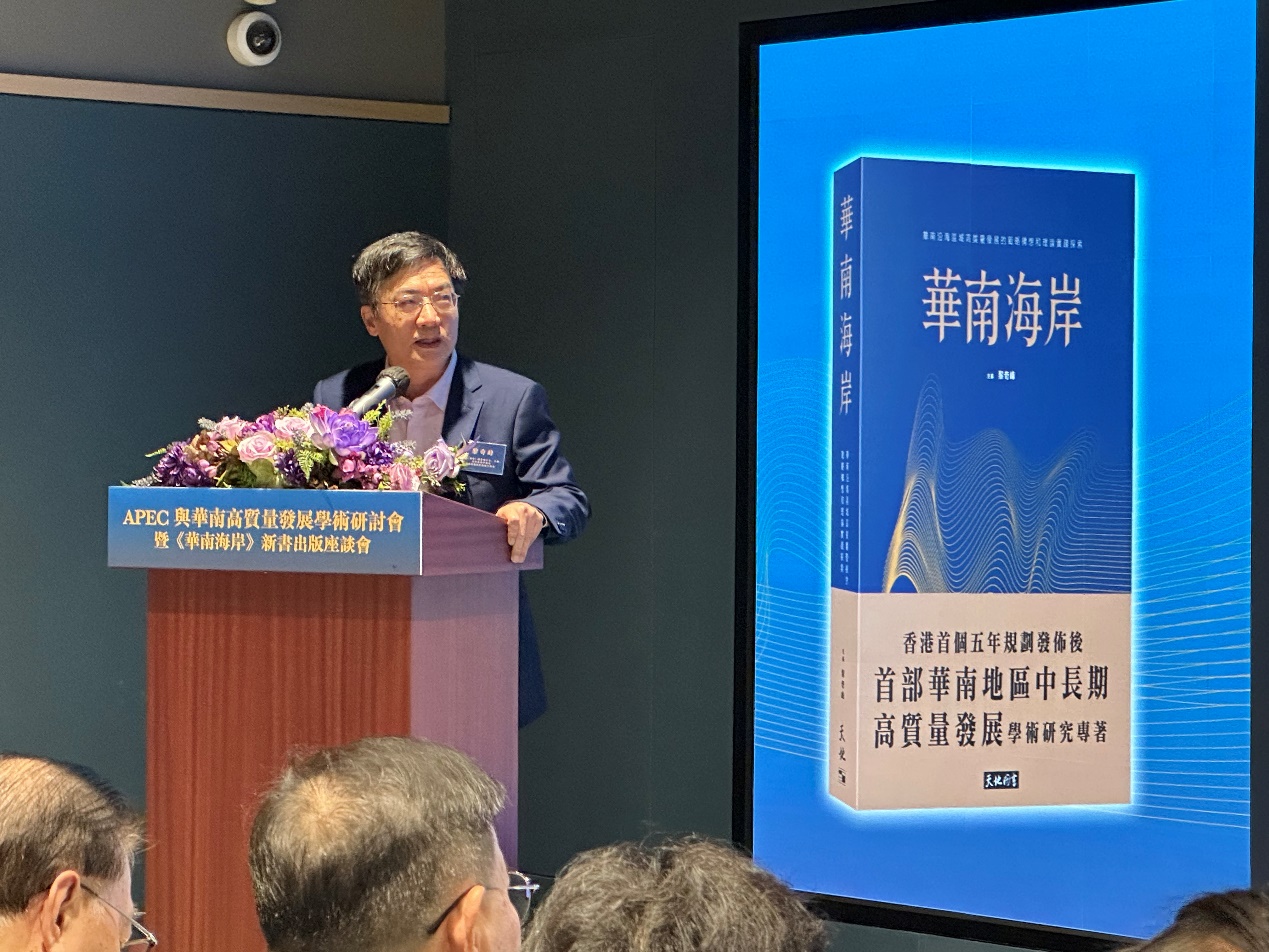
He explained that South China Coast builds on the forward-looking concepts of the “Hong Kong Bay Area,” the “Shenzhen–Hong Kong Bay Area” and the “South China Coast” proposed by Professor Woo Chia-Wei, the founding President of HKUST. The book defines the South China coast as a continuous coastal economic belt with the Guangdong–Hong Kong–Macao Greater Bay Area as its core engine, encompassing eastern Guangdong, southern Fujian, western Guangdong, the Beibu Gulf and the Hainan Free Trade Port. It connects Guangdong, Fujian, Guangxi and Hainan, along with Hong Kong and Macao, and links four national strategic development areas: the Greater Bay Area, the Hainan Free Trade Port, the Demonstration Zone for Integrated Development across the Taiwan Strait and the Beibu Gulf Economic Zone. Its overarching vision is to create a “Demonstration Zone for Coordinated Coastal Development in Chinese Modernization.”
Li Qifeng proposed that the South China Coast is not only a geographical concept, but also an economic space and a systematic approach, informed by Chinese insights, to medium- and long-term high-quality development of coastal regions.
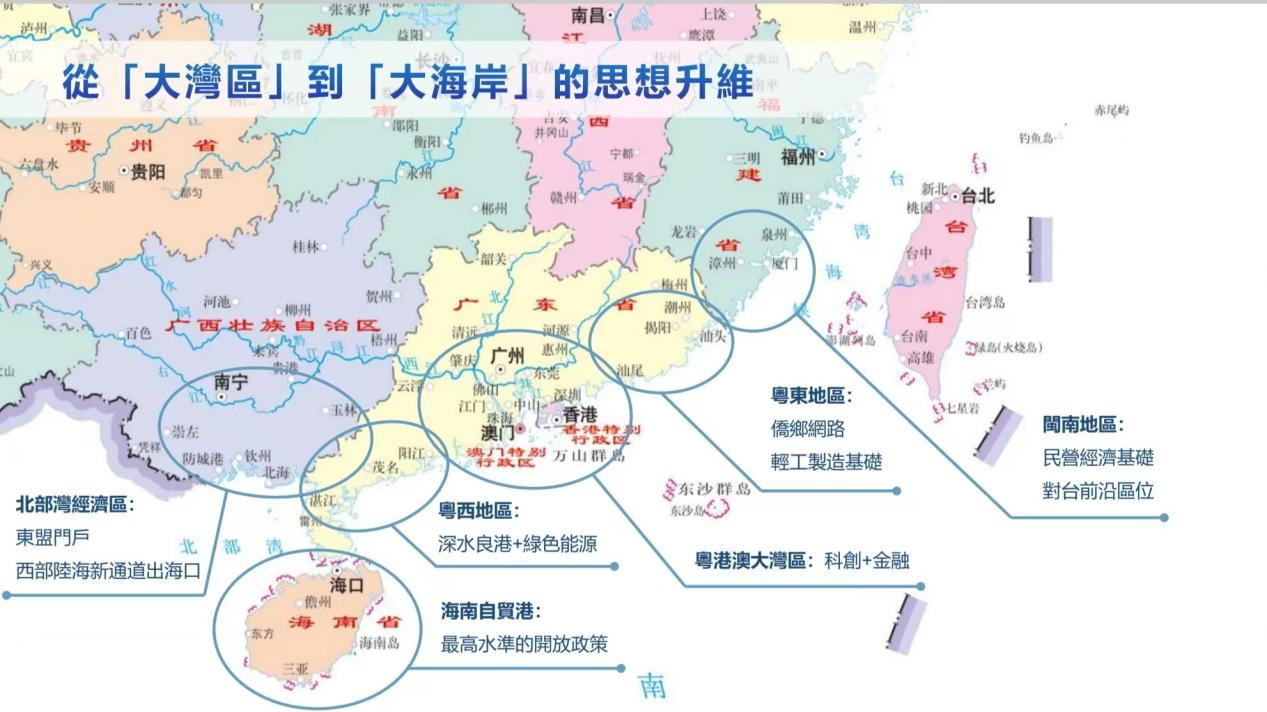
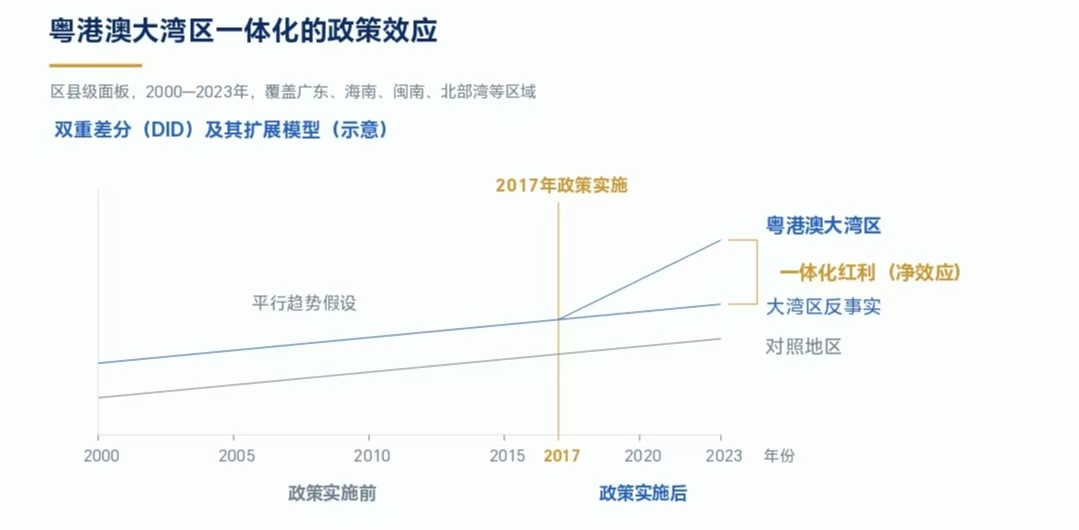
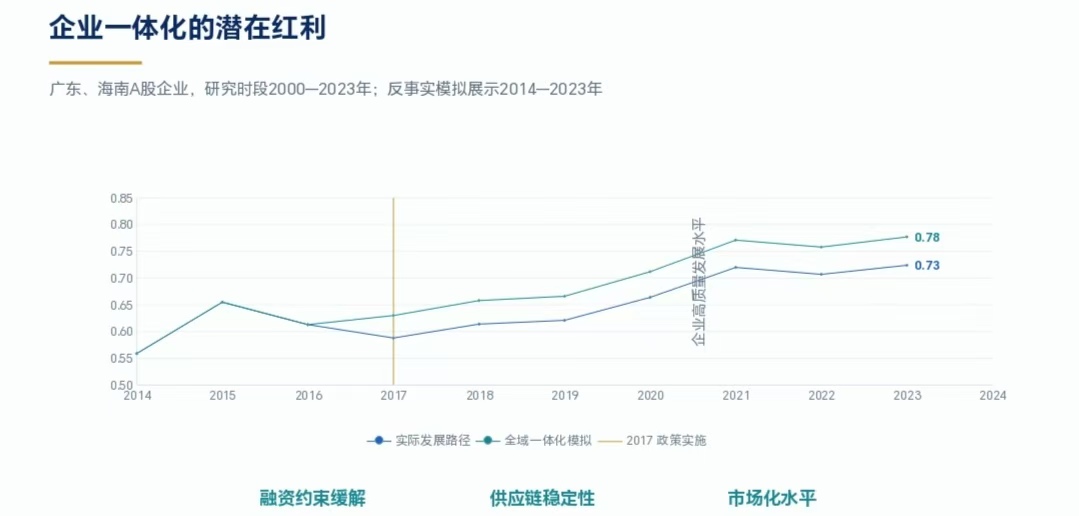
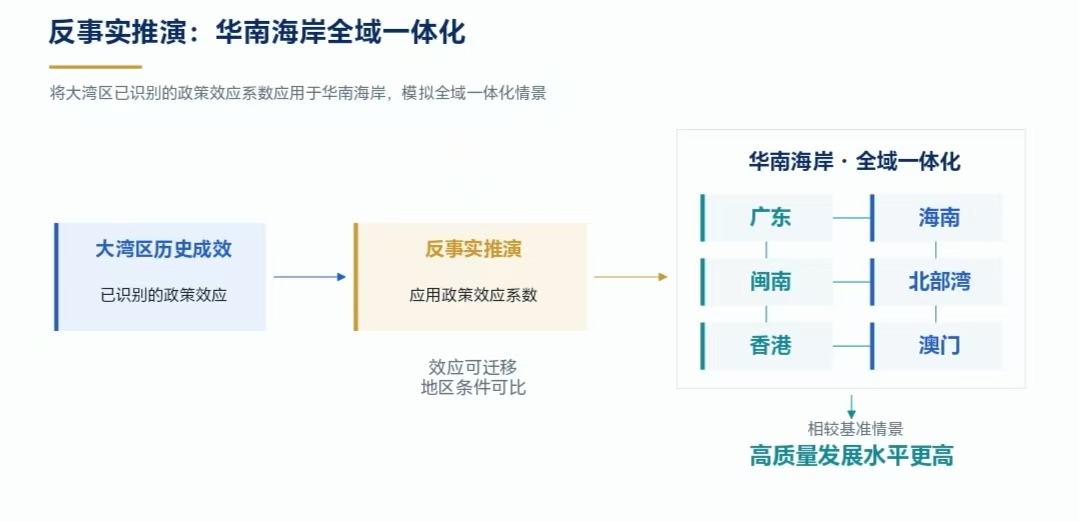
He explained that the research team used advanced econometric methods, particularly difference-in-differences and its extensions, to examine panel data covering 81 county-level areas and 948 listed companies in the South China coast region from 2000 to 2023. The team rigorously identified and assessed the effects of implementing the Greater Bay Area national strategy, measuring the significant policy effects described as an “integration dividend.” Through counterfactual analysis, the team then applied the estimated policy-effect coefficients of the Greater Bay Area strategy to the wider South China coast region to simulate the potential gains from regional integration. The research found that, under a counterfactual scenario of integration across the entire region, the South China coast could achieve a higher level of high-quality development.
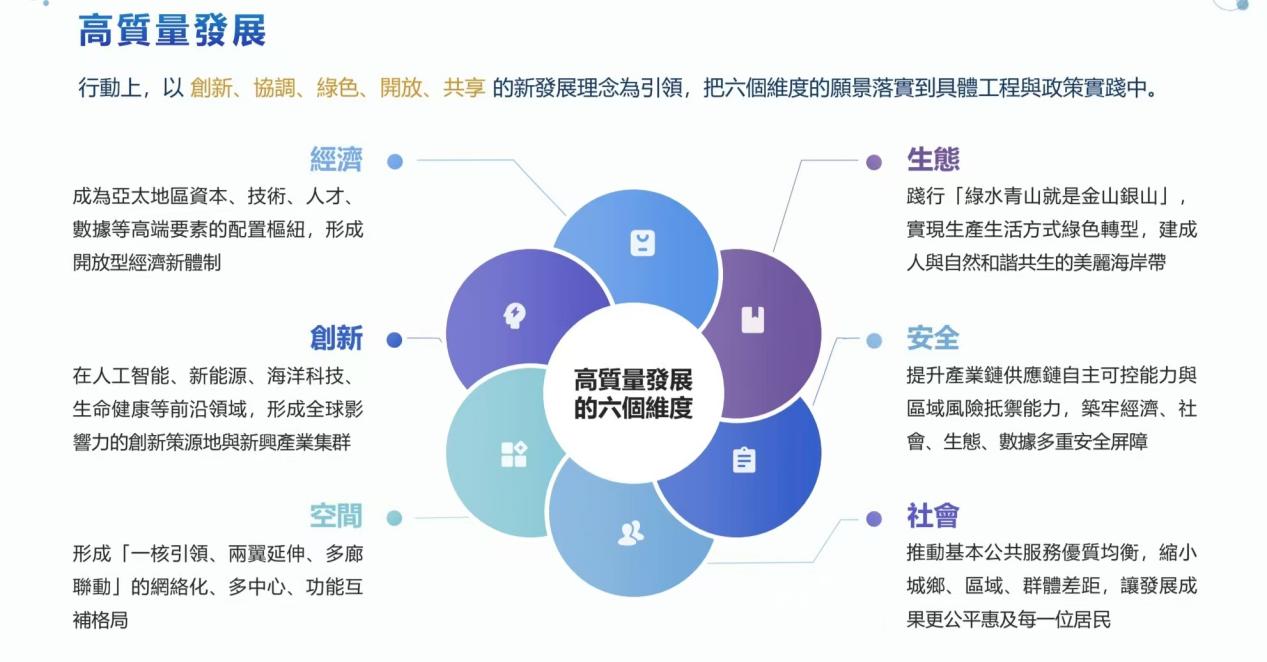
On implementation, Li Qifeng called for sustained medium- and long-term development over 2021–2049. Guided by the five development principles of innovation, coordination, green development, openness and shared benefits, he proposed advancing high-quality development of the South China coast across six dimensions: the economy, innovation, ecology, security, space and society.
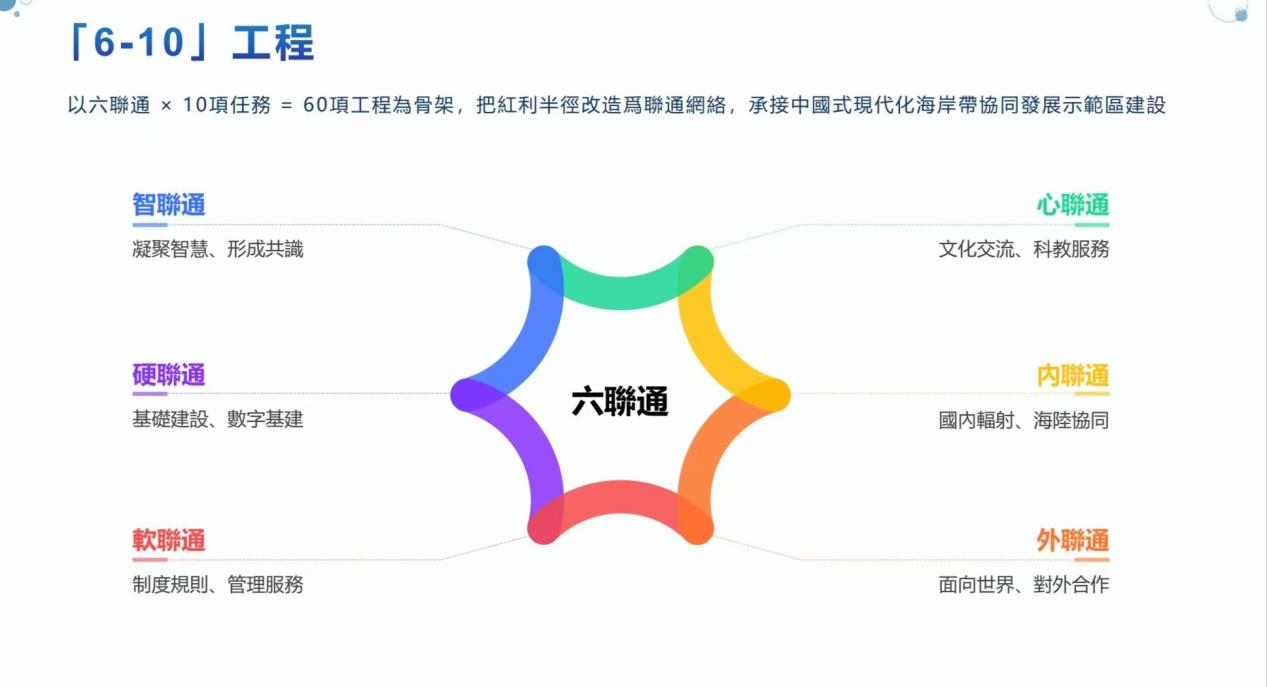
The research team organized its proposals around the “6–10 Initiative”: ten tasks in each of six areas of connectivity—people-to-people, physical, knowledge, institutional, internal and external connectivity—for a total of 60 actionable major projects. Implemented in phases, these would turn the reach of integration gains into a network of connections.
He said that implementation follows the sequence “international rules—Chinese insights—a South China approach—Shenzhen–Hong Kong action.” The South China approach aims both to contribute Chinese insights to high-quality development of coastal regions nationwide and to offer practical examples for coastal governance around the world.
At the end of his speech, he compared economic and social development data from 1986 and 2025 for Guangzhou, Shenzhen, Zhuhai, Shantou, Xiamen, Hainan, Hong Kong and Macao, illustrating the enormous changes across these eight places over nearly four decades. He argued that Hong Kong should implement its first Five-Year Development Plan effectively and formulate 15-year medium- to long-term and 30-year long-term development plans, proactively integrating into the development of the Greater Bay Area, the South China coast and the country as a whole while playing an important global role.
Roundtable: South China’s Development and Hong Kong and Macao’s Contributions in an APEC Context
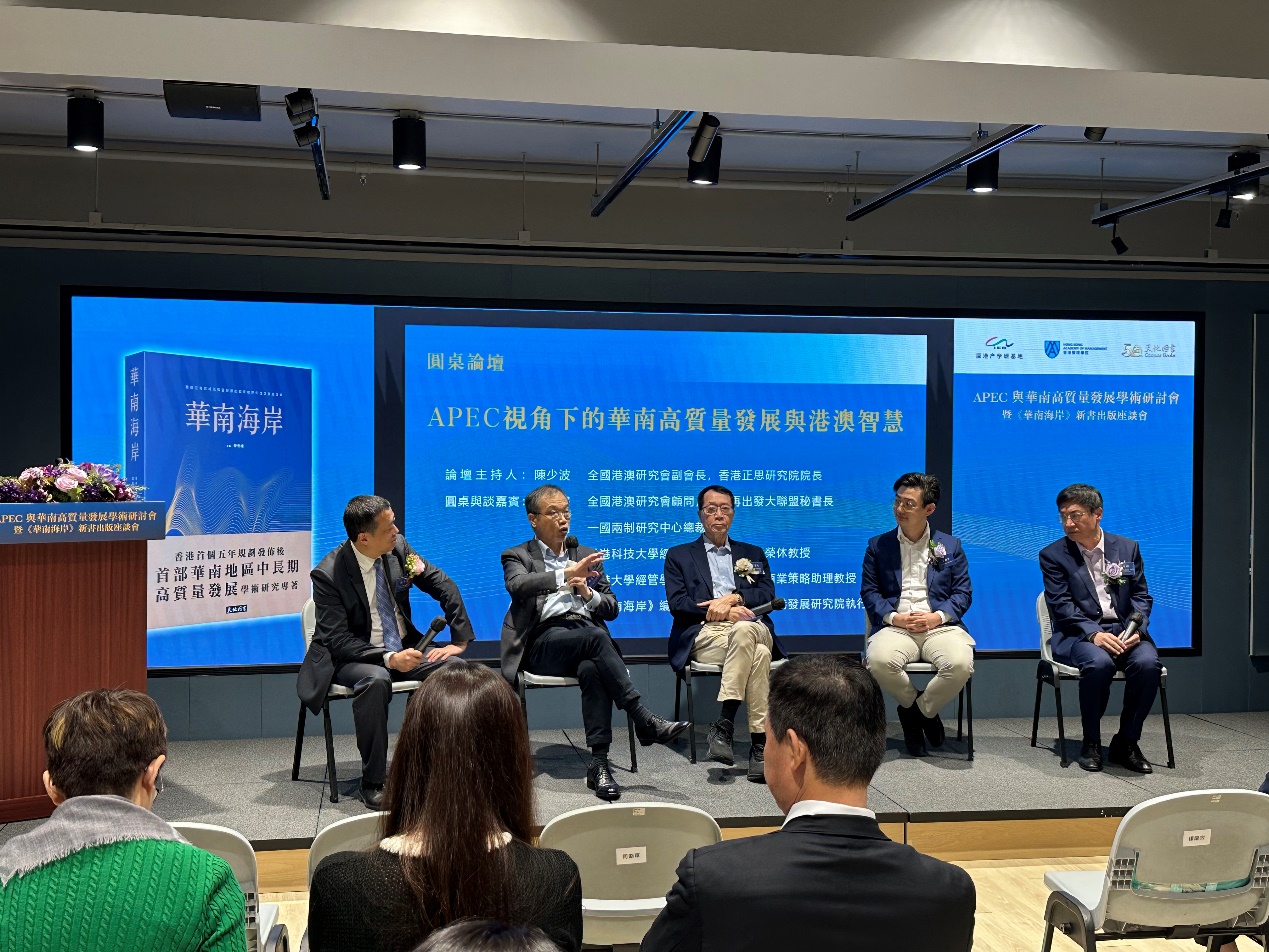
The subsequent roundtable, “High-Quality Development in South China and the Insights of Hong Kong and Macao from an APEC Perspective,” was moderated by Chen Shaobo, Vice President of the Chinese Association of Hong Kong and Macao Studies and President of the Hong Kong Zhengsi Research Institute. Participants included Zhang Zhigang, President of Hong Kong’s One Country Two Systems Research Institute; Francis T. Lui, Professor Emeritus at HKUST; Wang Bailin, Assistant Professor at HKU Business School; and Li Qifeng, Chief Editor of South China Coast. The panel discussed openness and cooperation in South China within the APEC framework and the distinctive roles of Hong Kong and Macao in regional coordination.
The discussion highlighted the Greater Bay Area’s large market, comprehensive industrial supply chains and substantial economies of scale, while noting the problem of excessive internal competition associated with local government protectionism. The proposed response was deeper integration of regional markets: using the “six areas of connectivity,” spanning commerce, capital, data and other dimensions, to remove barriers and support regional specialization and economies of scale.
Ongoing Collaboration: Publishing the Book and Building a Research Community
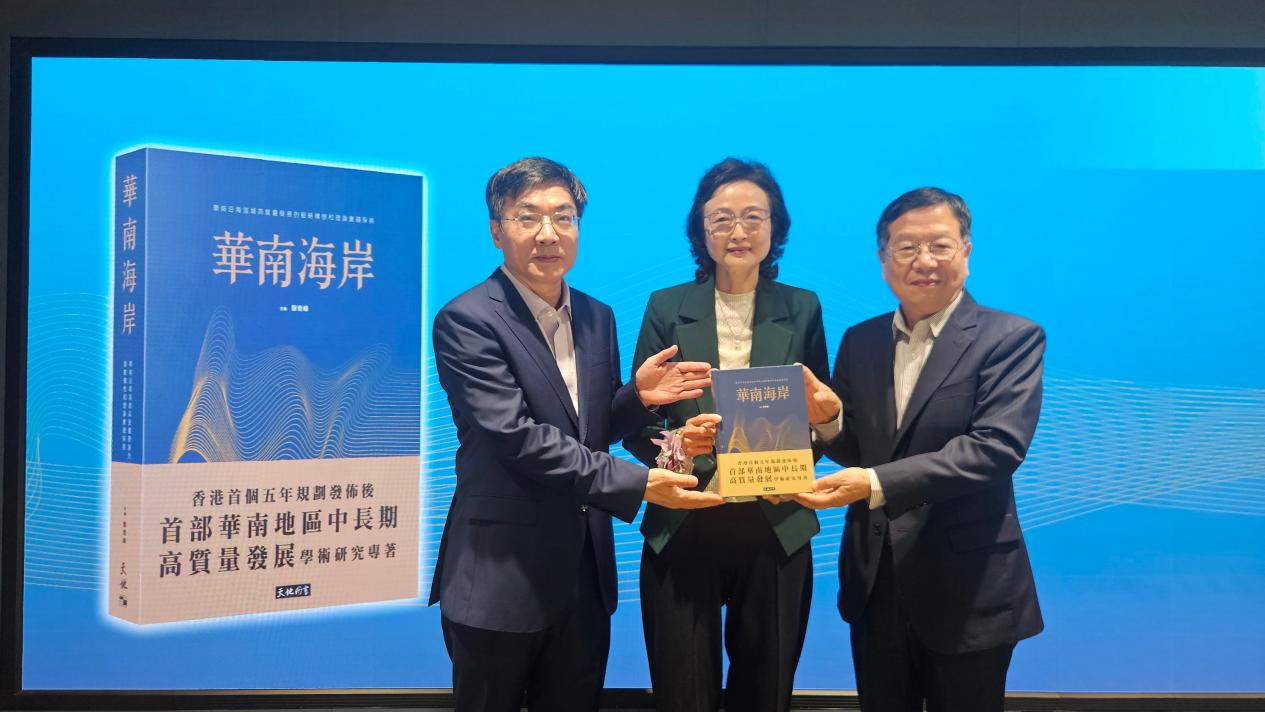
A promotional film for South China Coast was screened during the event, which also included the launch of the book’s dedicated website. According to the introduction, the academic monograph draws on Professor Woo Chia-Wei’s South China Coast concept, empirical analysis of data covering 81 county-level areas and 948 listed companies in Guangdong and Hainan from 2000 to 2023, and the “6–10 Initiative” as its implementation framework. It presents a South China approach to high-quality coastal development with both theoretical depth and practical policy recommendations. The approximately 300,000-character book has three parts: “Strategic Vision,” “Quantitative Research” and “Action Strategy.” Led by Li Qifeng, the research team spent five years completing the work, which is published and distributed by Cosmos Books, Hong Kong.
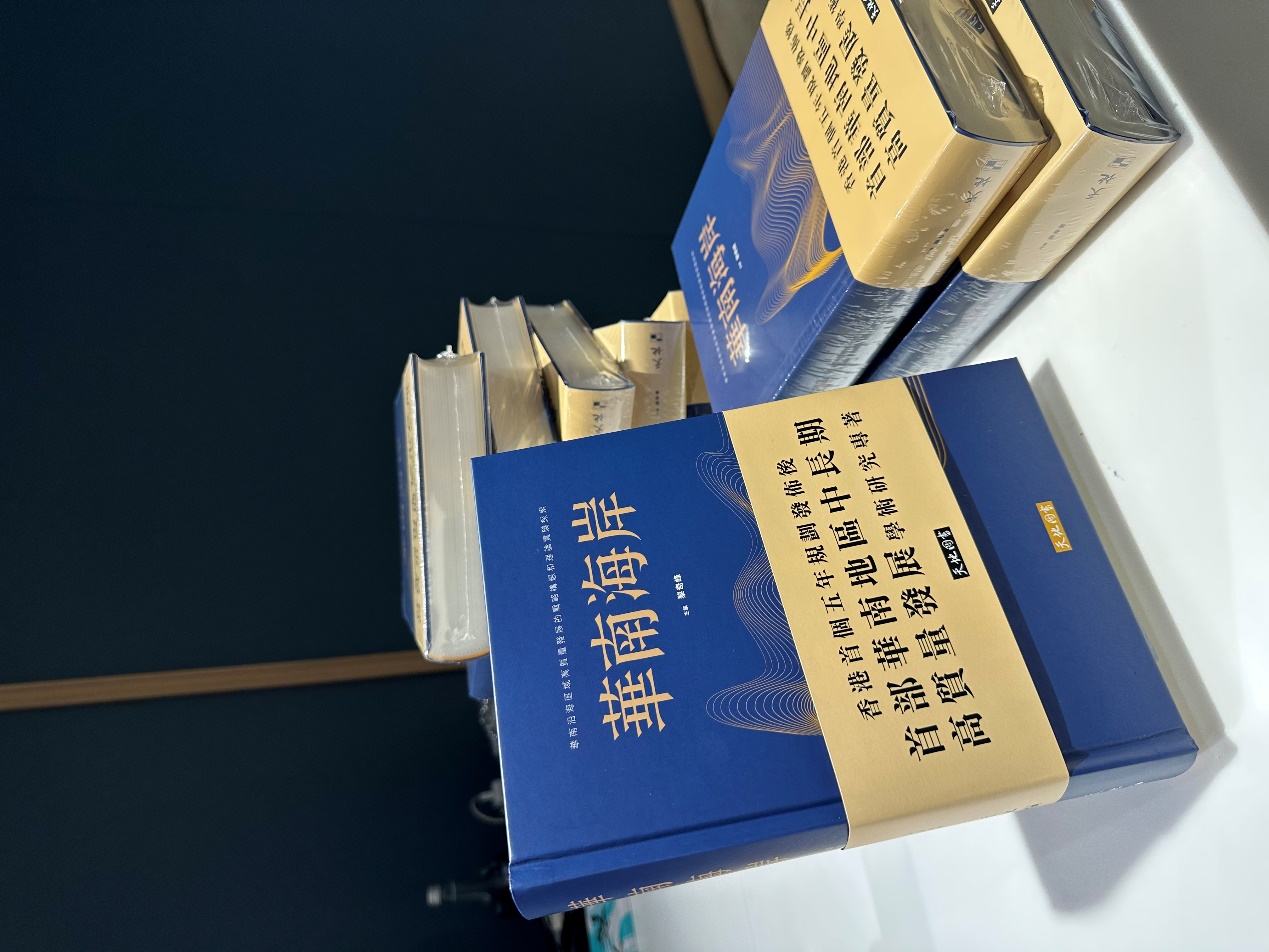
The book has received recognition from distinguished scholars. Forewords were contributed by Professor Nancy Ip, a member of the Chinese Academy of Sciences and President of HKUST; Professor Wei Shyy, HKUST’s fourth President; and Professor Justin Yifu Lin, former Vice President of the World Bank and Dean of the Institute of New Structural Economics at Peking University. More than twenty figures from different sectors contributed reviews, including Huo Zhenyu, a Permanent Director of the Fok Ying Tung Foundation, and Professor Chen Shiyi, a member of the Chinese Academy of Sciences and President of the Eastern Institute of Technology, Ningbo, who previously served as Vice President of Peking University and President of the Southern University of Science and Technology.
After reading the manuscript, Professor Gao Song, a member of the Chinese Academy of Sciences and President of Peking University, described its ambitious vision as having “considerable value as a reference for the high-quality development of larger regions of the country,” and recommended that copies be sent after publication to the National Development and Reform Commission and other relevant departments.
The organizers said that publishing South China Coast alongside the announcement of Hong Kong’s first Five-Year Plan and the 33rd APEC Economic Leaders’ Meeting in Shenzhen both carries forward Professor Woo Chia-Wei’s forward-looking ideas and uses empirical research to turn a broad vision into concrete recommendations. The aim is to offer new approaches to Hong Kong’s integration into and contribution to national development, high-quality development along the South China coast and regional economic cooperation in the Asia-Pacific.
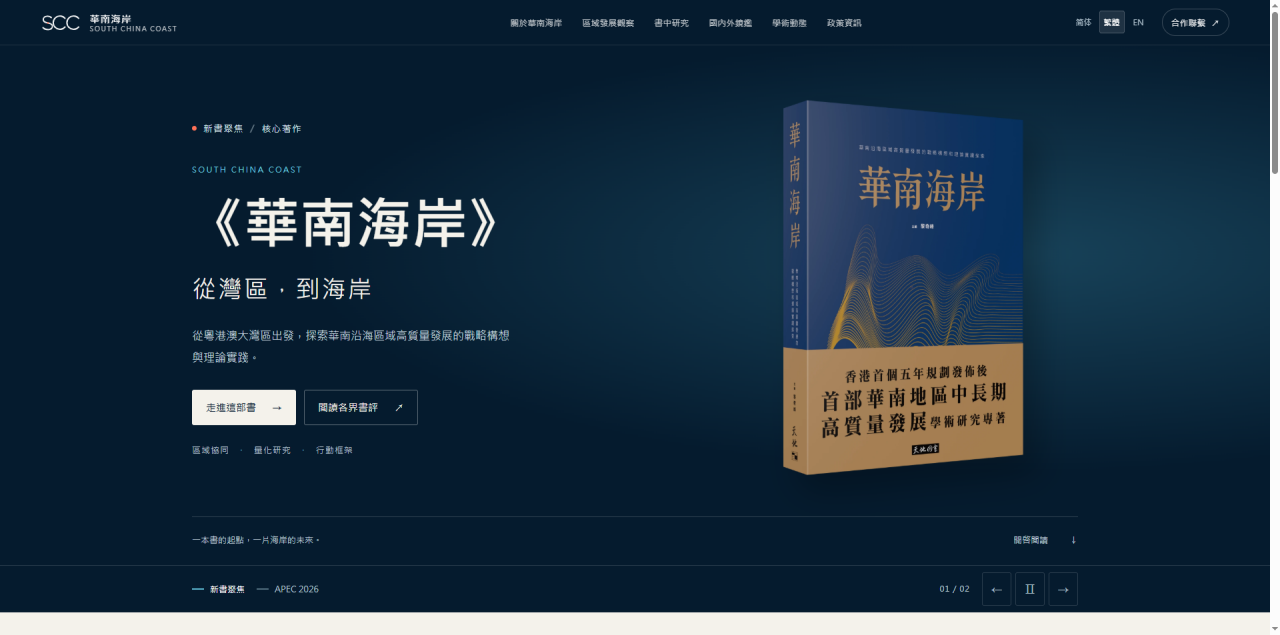
The dedicated South China Coast website (http://southchinacoast.com/) also officially launched that day. As an academic platform for ongoing discussion of the region’s development, it will continue adding updated data and research recommendations to deepen the work.
Guests Share a Vision for Regional Coordination
Other guests attending and taking part in the discussions included He Dejun, Deputy Director of the Department of Publicity, Culture and Sports at the Liaison Office of the Central People’s Government in the Hong Kong SAR; Wu Jingyi, a member of the National Committee of the CPPCC and Chairman of Cosmos Books; Cai Huang Lingling, a member of the National Committee of the CPPCC and the Executive Committee of the All-China Women’s Federation; Chen Ruijuan, a member of the National Committee of the CPPCC and former Chairman of the Hong Kong General Chamber of Commerce; Zhang Guoyi, Vice Chairman and Editor-in-Chief of Hong Kong Ta Kung Wen Wei Media Group; Li Hui, a professor at Peking University, a Foreign Member of the Russian Academy of Natural Sciences and a Fellow of the US National Academy of Artificial Intelligence; Liu Zhaozhe, Executive Director of the Hong Kong and Macao Talent Liaison Office of the Organization Department of the CPC Beijing Municipal Committee and the Beijing Municipal Talent Work Leading Group; Xu Shimeng, Executive Vice President of the Hong Kong Academy of Public Administration; and Dong Haimin, Editor-in-Chief of the Hong Kong edition of China Today.
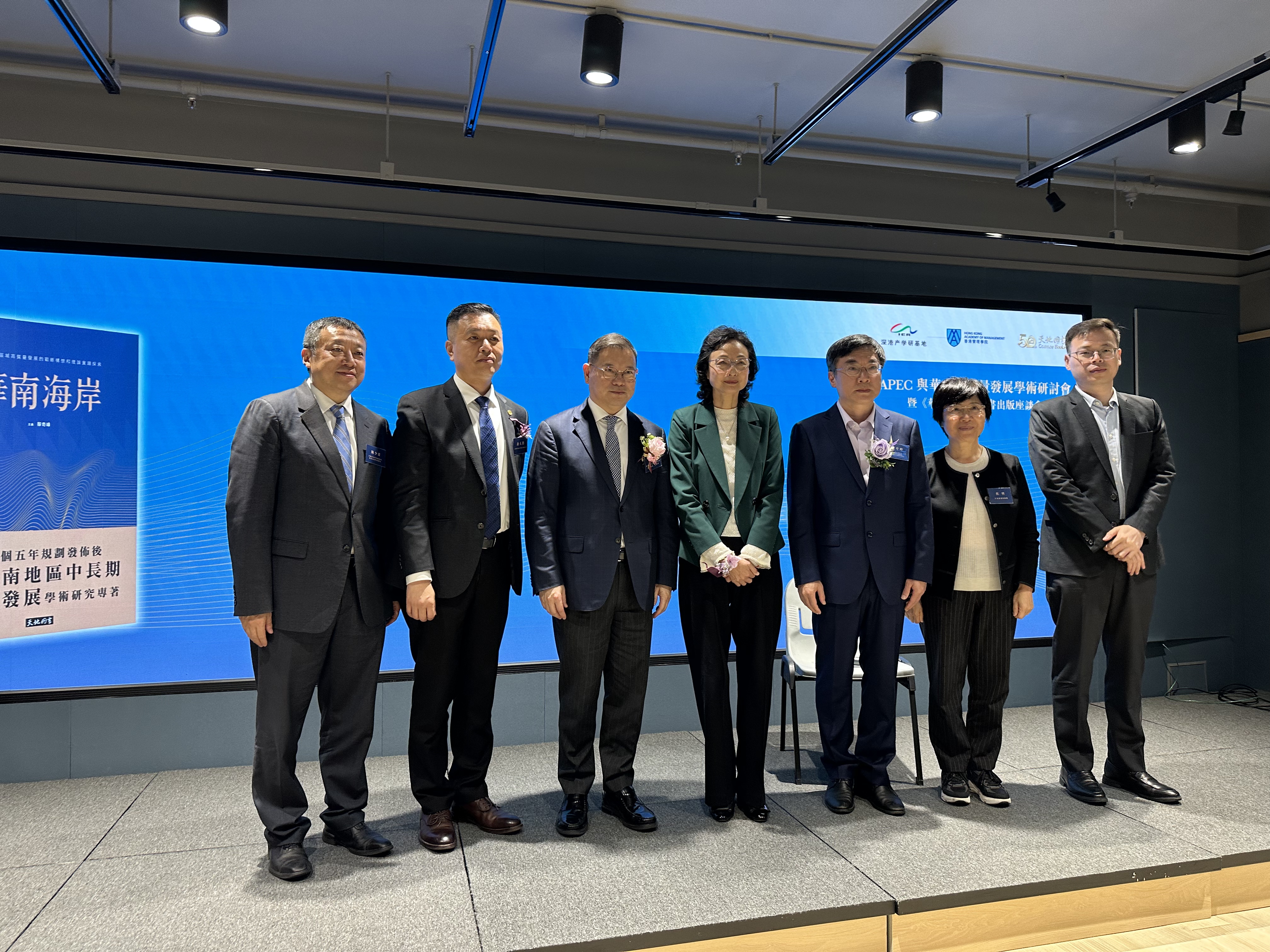
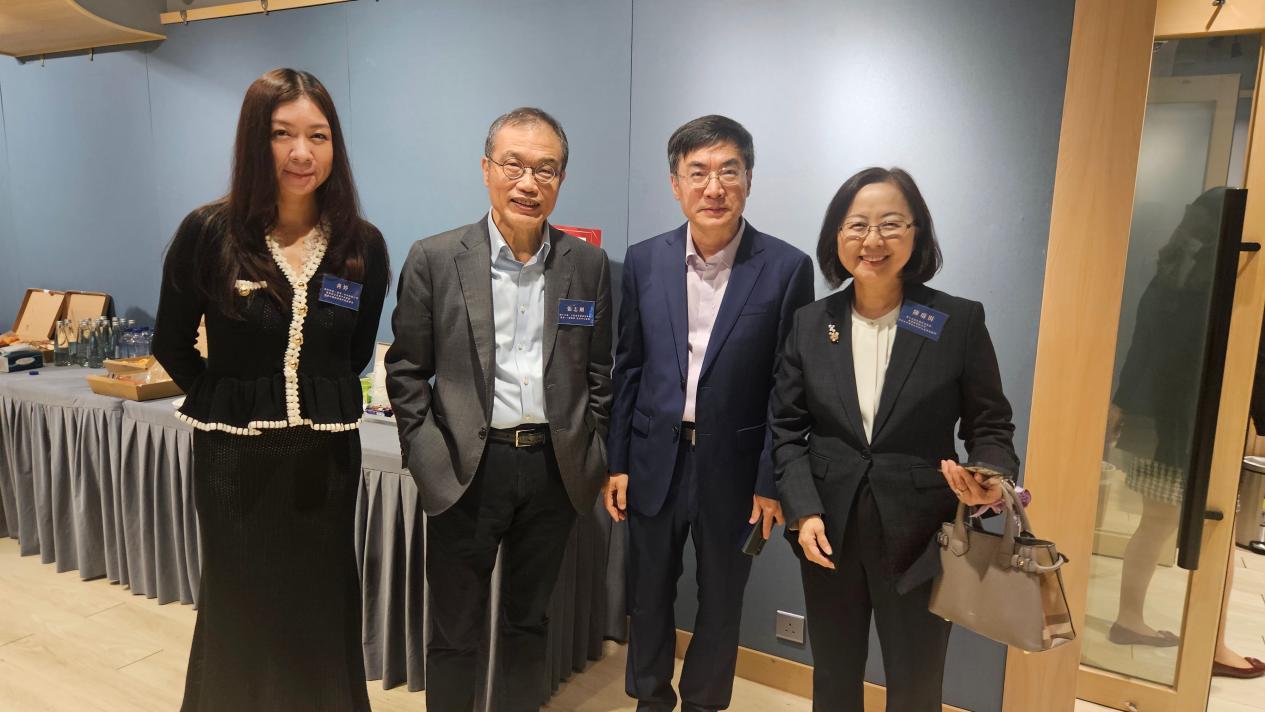
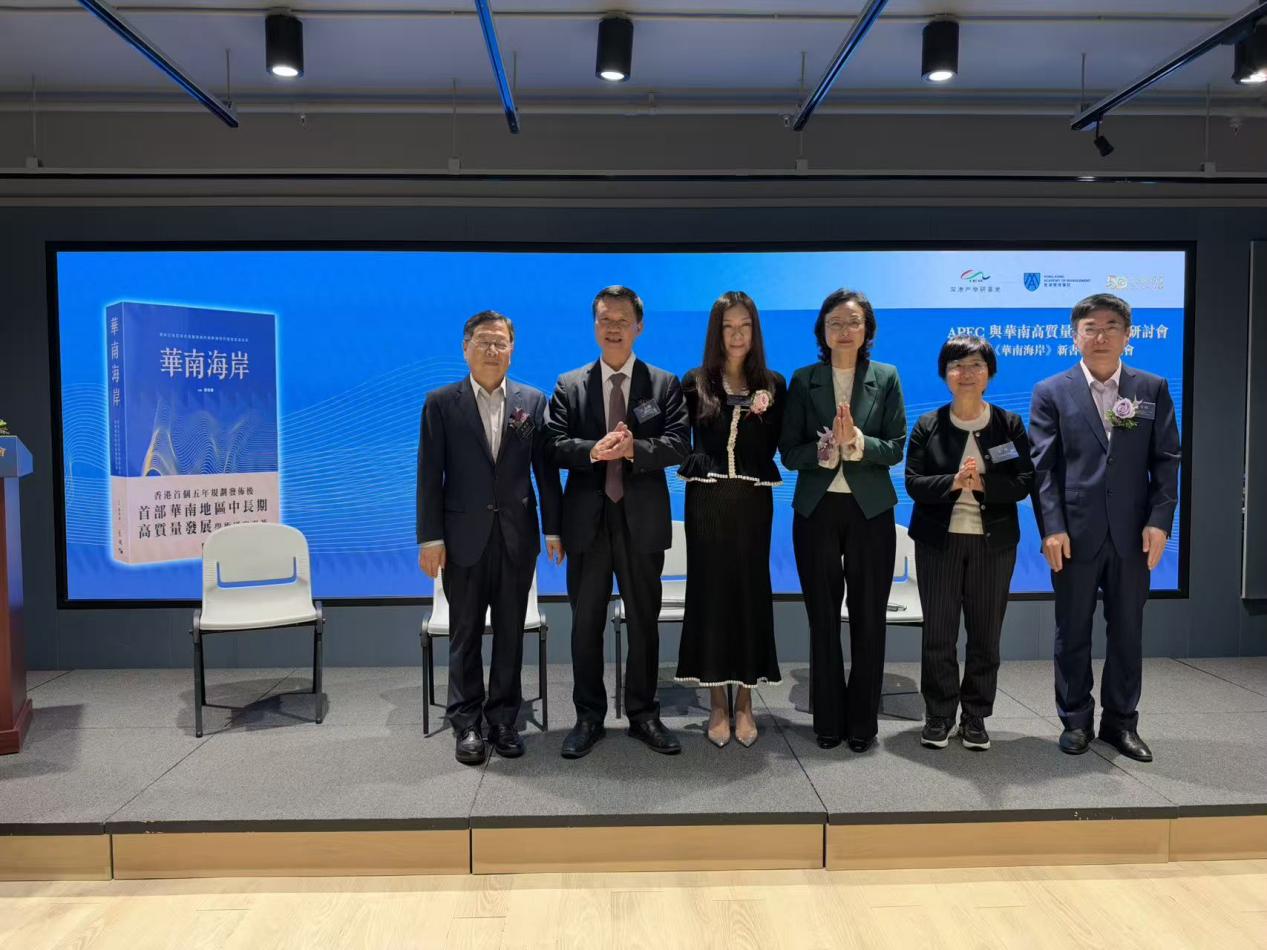
Also present were representatives of the book’s reviewers, including Huo Zhenyu, a Permanent Director of the Fok Ying Tung Foundation, and Li Ran, a member of the Standing Committee of the Beijing Municipal Committee of the CPPCC, a member of the Standing Committee of the All-China Federation of Returned Overseas Chinese and President of the Hong Kong Federation of Beijing University Alumni Associations. Donor representatives included Lin Fenglin, Vice President and Secretary-General of the Hong Kong China Chamber of Commerce; Zhuang Yongjian, President of the Chuang Shih-ping Foundation and Chairman of Yinsheng Digifavor; and Xiao Ting, Chairman and Chief Executive Officer of Green New Energy (Hong Kong) Technology Co., Ltd. Representatives of the three organizers—the Shenzhen–Hong Kong Industry–University–Research Base, the Hong Kong Academy of Management and Cosmos Books—and members of the South China Coast author team also attended.